Choosing a Senior School Pathway: STEM, Social Sciences, or Arts & Sports Science?
Key Takeaways
- There are three Senior School pathways, each organised into its own tracks and subject combinations
- Learners take three chosen electives alongside compulsory learning areas such as English and Mathematics
- A good pathway match comes from genuine interests and strengths, not pressure or prestige
- Selection happens through the Ministry of Education's official platform, factoring in learner choice and performance
- Always check which specific pathways and combinations a school offers before deciding
Choosing a pathway is probably one of the biggest decisions that the families of Grade 9 students face under Competency-Based Education. Understanding Kenya's senior school pathways clearly makes the whole process a lot less daunting and that is exactly what this guide sets out to do. It walks through all three senior school pathways, the tracks and subjects within them, how to match your child's interests and strengths to the right one, and how the selection process itself actually works.
What Are the CBE Senior School Pathways?
Senior School under Competency-Based Education is organised into three distinct pathways. These are STEM, Social Sciences and Arts & Sports Science. Each one of these is further divided into specialised tracks and subject combinations. Alongside their chosen combination, learners take compulsory learning areas such as English, Kiswahili or Kenyan Sign Language, Mathematics and Community Service Learning. Then, they select at least three subjects from their chosen pathway. These CBE senior school pathways were designed to let learners specialise according to their genuine strengths and interests rather than following one single, generic curriculum. For a fuller understanding of the assessment that precedes this stage, our guide to how the KJSEA works is a very useful starting point.
The STEM Pathway
The STEM pathway is organised into three tracks: Pure Sciences, Applied Sciences and Technical Studies. Which subjects are in the STEM pathway varies by track, but confirmed example subjects include the likes of Biology, Chemistry, Physics, Mathematics, Computer Studies and Agriculture, depending on the specific combination a learner chooses. This pathway tends to suit learners who enjoy working with numbers, solving practical problems and exploring how things are built or how systems work. Some of the career areas that may follow from this pathway include:
- Engineering
- Medicine
- Computer science
- Agricultural sciences.
However, it’s important to note that these should be seen as possibilities rather than guaranteed outcomes.
The Social Sciences Pathway
Social Sciences is built around two tracks: Languages & Literature, and Humanities & Business Studies. Example subjects under these tracks include History and Government, Geography, Business Studies, Literature, Religious Education and a range of language options. Learners who enjoy reading, debating ideas, understanding people and society or working with written and spoken communication often find this pathway a natural fit. Which careers suit the Social Sciences pathway is a common question. Some of the possible directions include:
- Law
- Business
- Education
- Journalism
- Public service
Again, these can be seen as examples rather than fixed destinations.
The Arts & Sports Science Pathway
The Arts & Sports Science pathway carries equal weight and value alongside the other two. It’s organised into two tracks: Arts and Sports Science. Confirmed example subjects include Music, Theatre and Film, Fine Art, and Sports and Recreation, often alongside supporting subjects such as Biology or Literature depending on the combination chosen. This pathway is best suited to learners with a strong creative streak or a genuine passion for physical performance and movement. Within this STEM social sciences arts pathway landscape, the Arts & Sports Science route may open possibilities in fields such as:
- Performing arts
- Design
- Sports coaching
- Sports science
These are all potential directions rather than certainties, but they give you a good idea of the possible careers.
Matching Your Child's Interests and Strengths to a Pathway
A thoughtful approach to this decision tends to produce far better outcomes than rushing it. Here’s what to do:
- Look closely at what your child genuinely enjoys and does well, not only their exam results
- Talk openly with them about career interests, while keeping their options reasonably open
- Draw on teacher feedback and their performance throughout Junior School
- Check which subject combinations each school you are considering actually offers
- Avoid choosing a pathway based purely on peer pressure or perceived prestige
How Grade 10 Pathway Selection Works
How does Grade 10 pathway selection work in practice? Learners choose their pathway, track, subject combination and preferred school through the Ministry of Education's official selection platform, with placement taking into account both the learner's own choices and their KJSEA-linked performance. Grade 10 pathway selection is designed to balance personal preference with demonstrated strength across different learning areas. Whether and when choices can later be revised is set out only in current official guidance from the Ministry. Families are encouraged to confirm the latest position directly through the selection platform rather than relying on general assumptions. Can a learner change pathways in senior school? This is worth checking through official channels, since rules here may be updated between selection cycles. Choosing senior school pathways in Kenya should be thought through carefully.
Senior School at Makini: Runda and Kisumu
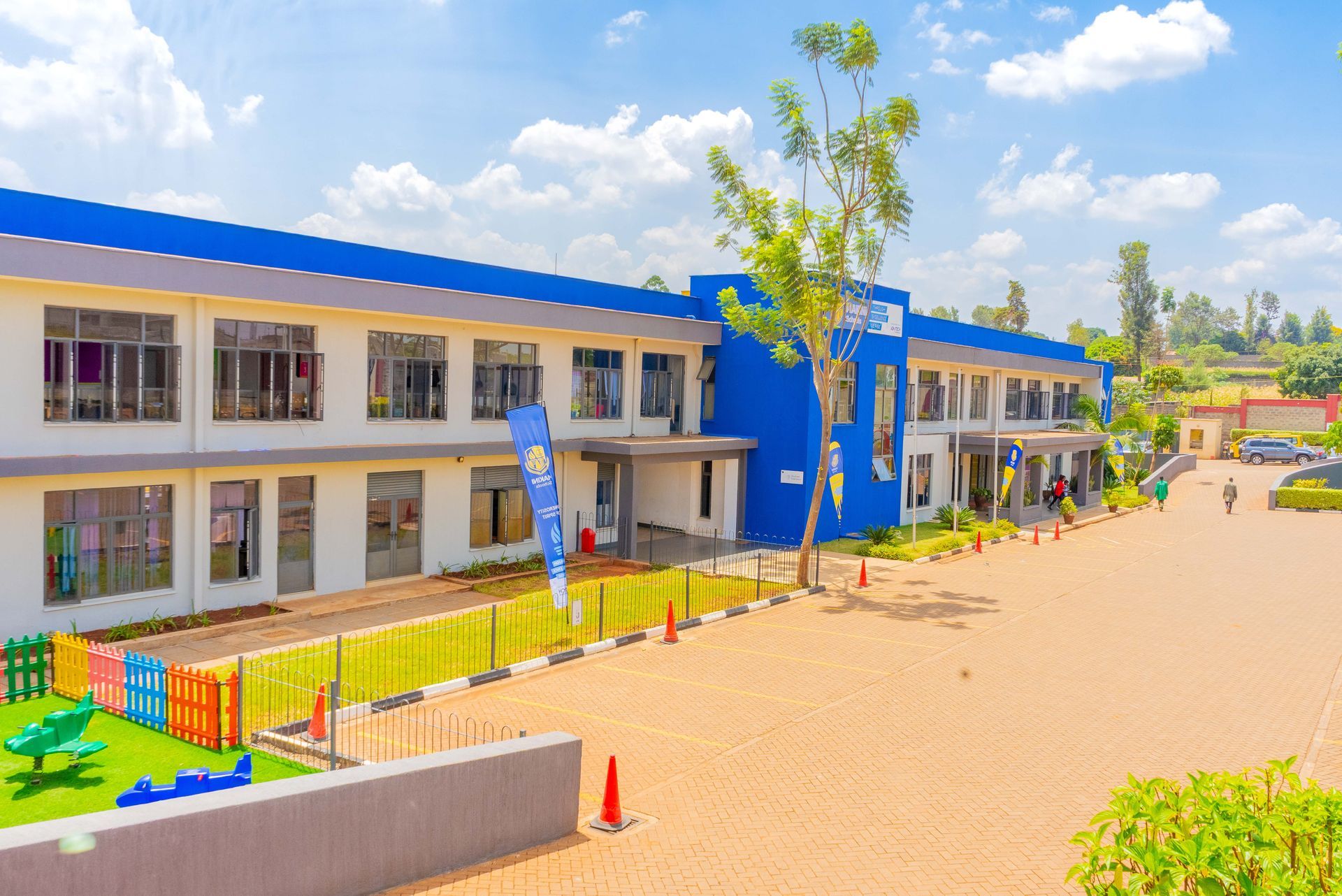
Families weighing up where their child might study their chosen pathway are invited to explore what Makini's own Senior School campuses have to offer. You can find out more about our Runda Senior School and Senior School in Kisumu, including which pathways and subject combinations each campus currently offers.
Frequently Asked Questions
- What are the three senior school pathways in Kenya?
The three pathways are STEM, Social Sciences and Arts & Sports Science. Each are divided into specialised tracks with their own subject combinations for learners to choose from. - How do I choose the right pathway for my child?
Look at what your child enjoys and excels in, talk openly about their interests, draw on teacher feedback, and check which combinations are offered at schools you are considering. - Can a student change pathways later?
Rules on revising pathway choices are set out in current Ministry of Education guidance, so it is best to confirm the latest position directly through the official selection platform. - Which pathway leads to which careers?
STEM may lead toward fields like engineering or medicine, Social Sciences toward law or business, and Arts & Sports Science toward creative or sports-related fields, though all are possibilities rather than guarantees.
Sources:
- Senior School Subject Combinations 2026: Full Lists by Pathway
- CBE Senior School: How The New STEM Pathway Will Work