Building Your Child's Self-Confidence and Independence
Key Takeaways
- Confidence and independence are learnable, everyday skills
- Age-appropriate responsibility builds real, lasting self-belief
- Specific praise and effort-focused encouragement matter more than outcomes
- Most independence carries manageable risk, not real danger
- A growth mindset underpins genuine, resilient confidence
- Consistency between home and school reinforces a child's progress
- Gentle support, not rescue, helps children through wobbles
Confidence and independence are not fixed traits that a child either has or doesn’t have. They are skills that are learned and practiced every day. This article looks at practical, daily habits for building confidence in children, what age-appropriate independence looks like and how school and home work together to support it.
Why Confidence and Independence Go Hand in Hand
These two qualities tend to develop together rather than separately, since independence gives children real, meaningful opportunities to succeed on their own terms. Each small success a child experiences, however minor it may seem to an adult, contributes to genuine self-confidence in kids over time. This is really the foundation of fostering independence in a way that feels natural rather than forced.
What Age-Appropriate Independence Looks Like
Understanding how to raise an independent child starts with setting realistic, staged expectations that shift as a child grows older.
- Early primary (ages 6 to 8): choosing their own outfit for the day, packing their own school bag and taking on simple chores like tidying away toys
- Middle primary (ages 9 to 10): managing their own homework time, preparing a simple snack independently and walking to a neighbour's house on their own
- Pre-teen years (ages 11 to 13): managing their own pocket money, planning their own study schedule and taking on greater responsibility around the home
Everyday Habits That Build Self-Confidence
These everyday habits that build children's self-confidence require little effort from parents, yet they make a genuinely lasting difference over time.
- Offering specific, meaningful praise rather than generic compliments
- Letting children work through small problems themselves before stepping in to help
- Celebrating effort consistently, rather than focusing only on the outcome
- Giving children real responsibilities, rather than token ones that carry no weight
- Resisting the urge to rescue them from every small struggle they encounter
- Modelling self-belief through your own words and actions at home
Together, these form the basis of genuinely practical tips for building self-belief in kids, and they cost nothing beyond a little patience and consistency.
Encouraging Independence Without Unnecessary Risk
Many parents worry that encouraging independence means letting go of safety altogether, but this doesn’t need to be the case. Thoughtful confident child parenting involves clearly separating appropriate risk from genuine danger. A useful question to ask is whether the worst realistic outcome is something minor, like a bruised knee, or something genuinely harmful. Most everyday independence, from walking to a neighbour's house to preparing their own snack, sits firmly within the first category.
The Role of a Growth Mindset in Building Confidence
Genuine, lasting confidence rests heavily on a growth mindset, since children who see ability as something they can build through effort are far more willing to try, to fail and to try again without giving up. This shift in thinking matters enormously for developing self-belief that holds up under pressure. Parents wanting to understand this connection more fully may enjoy the power of a growth mindset, which explores the idea in much greater depth.
How Confidence Shifts as Children Grow Older
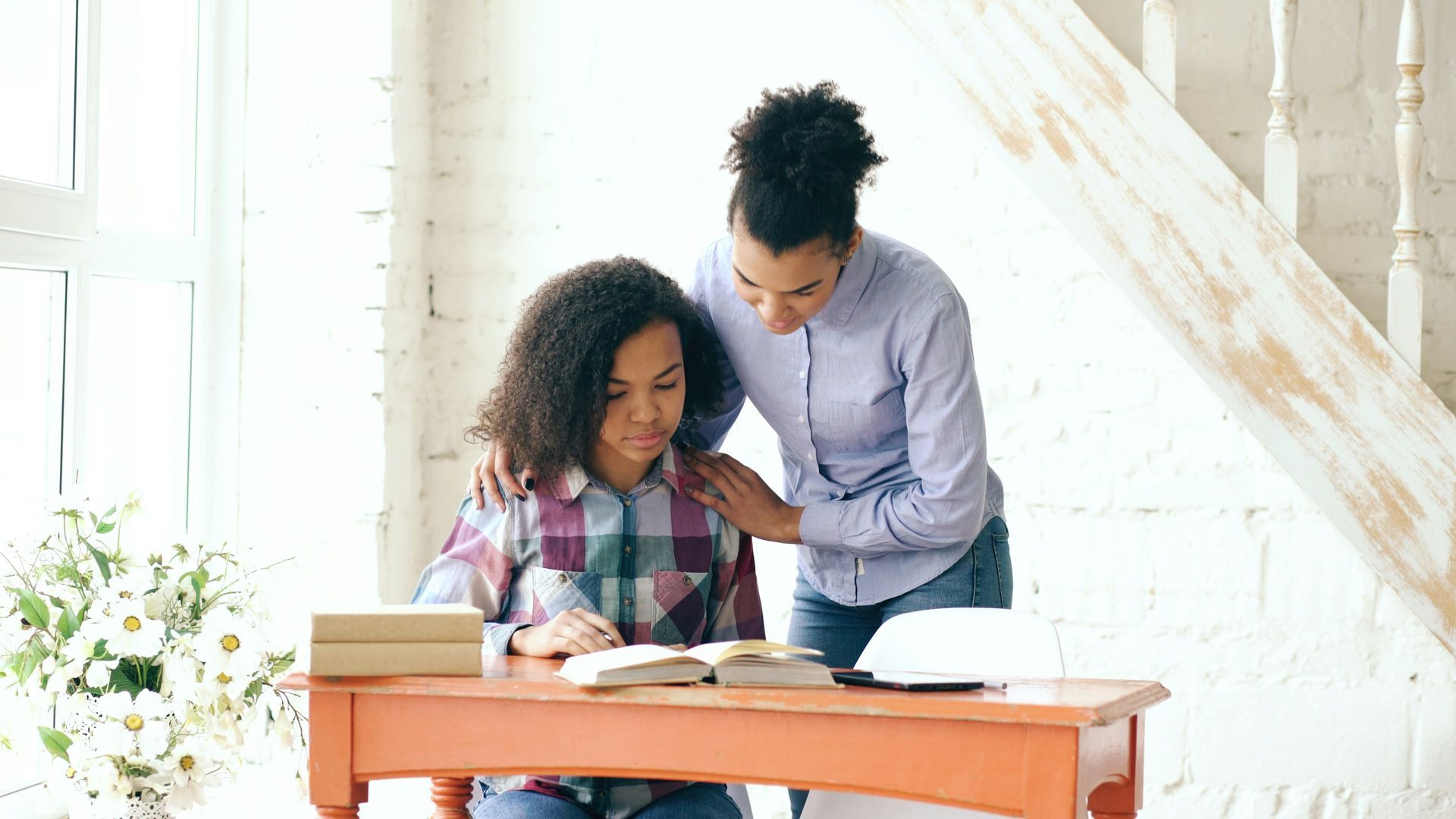
Confidence naturally wobbles from time to time as children encounter new social pressures, particularly as they move closer to their teenage years. Peer opinion begins to matter a lot more during this stage, which can shake a child that was confident. For a closer look at navigating this transition, our guide to understanding peer pressure and influence is well worth the read.
How School and Home Work Together to Build Confidence
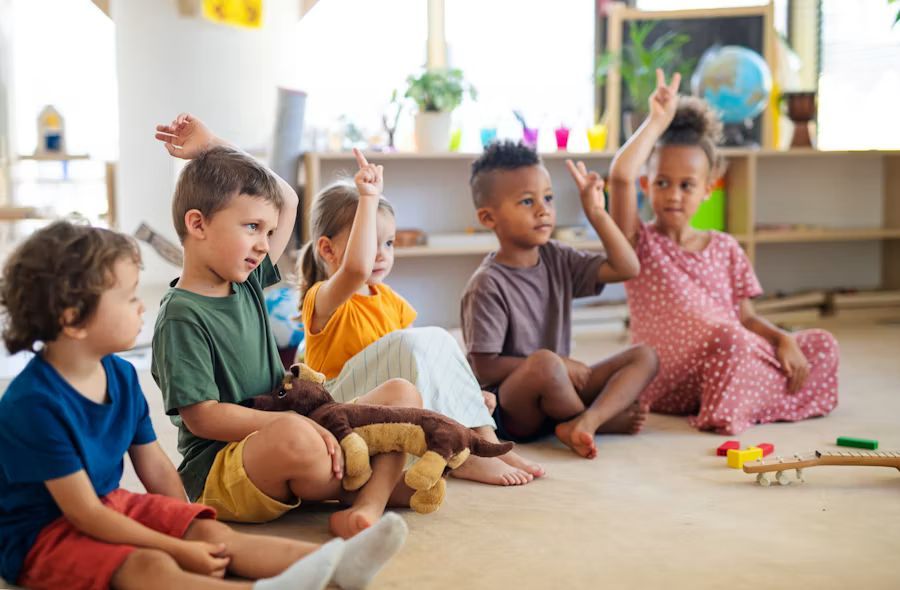
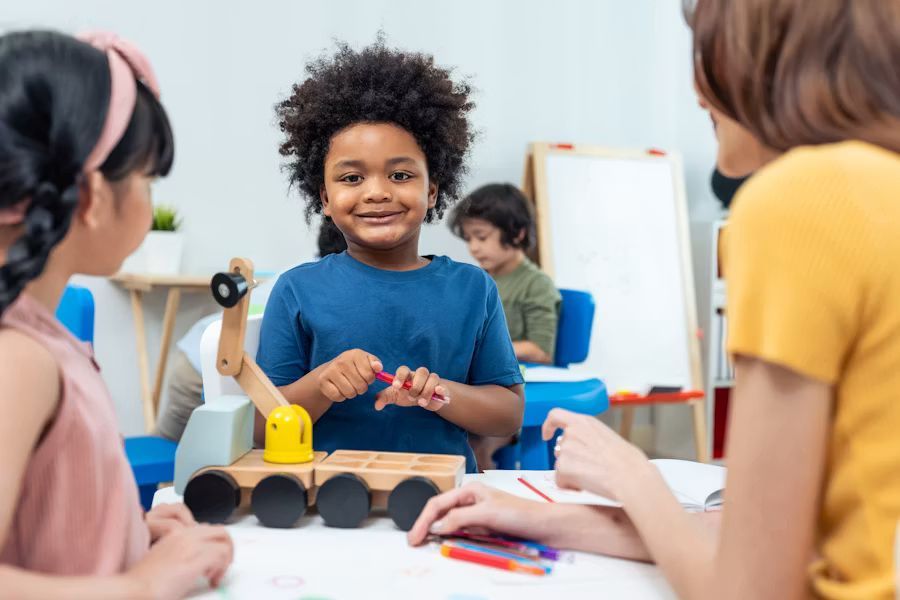
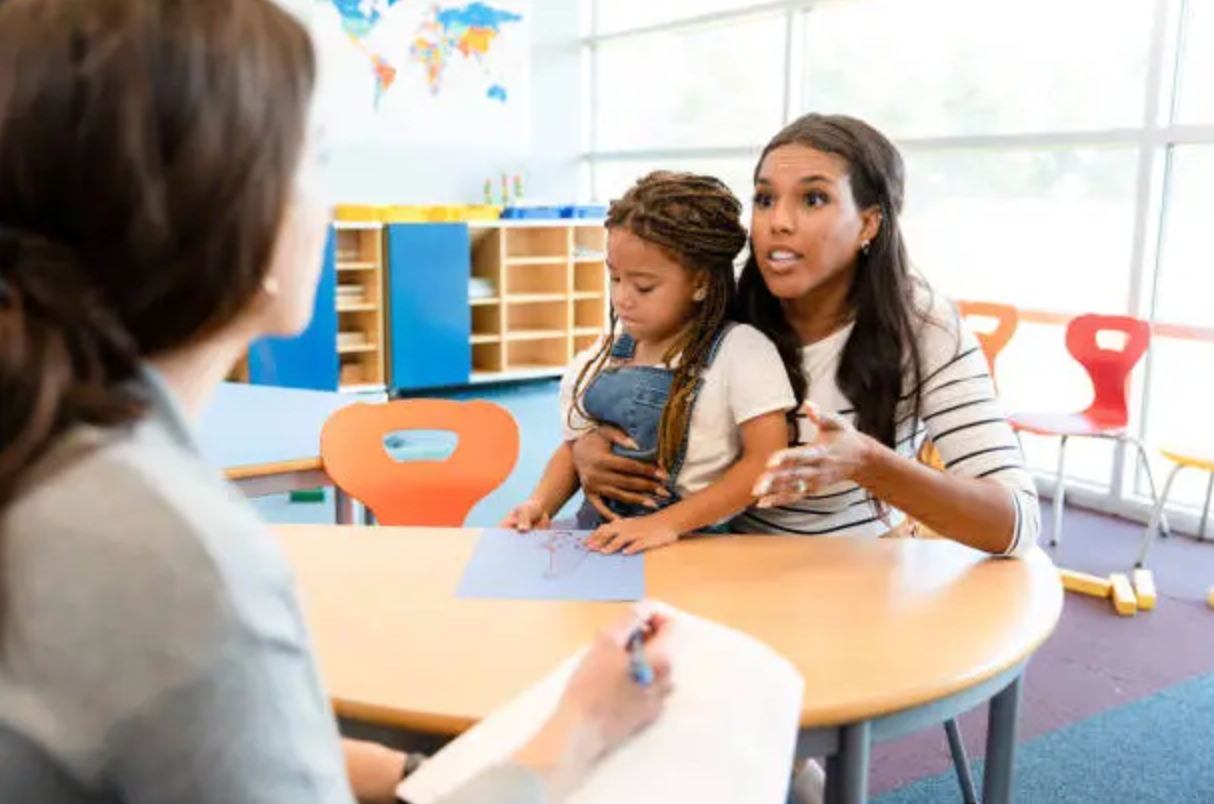
Consistent messaging between school and home does a great deal to reinforce a child's sense of self, which speaks directly to how schools support children's confidence and independence alongside family life. It is worth looking for a school that celebrates effort, actively encourages problem-solving, and treats mistakes as a normal, valuable part of learning rather than something to be feared. You can find out more about our school and home partnership approach in our related article.
When to Gently Step In
Sometimes a child needs a little extra support to build their confidence back up, and it helps to know what to look out for. Common signs of low self-esteem in children include the following:
- A ersistent reluctance to try new things, even low-stakes ones
- Frequent negative self-talk about their own abilities
- Avoiding challenges specifically out of fear of failing
- An excessive, ongoing need for reassurance from adults
When these signs appear, it helps to step in gently, offering encouragement rather than simply taking over the task at hand. Small, well-timed nudges tend to work far better than solving every problem for a child.
FAQs
- How do I build my child's confidence?
Use specific praise, let them solve small problems independently, celebrate effort over outcome, and give them real, age-appropriate responsibilities at home. - What causes low self-confidence in children?
Common causes include excessive rescuing from struggles, negative self-talk going unaddressed, fear of failure, and inconsistent encouragement between home and school. - How do I encourage independence without risk?
Separate appropriate risk from real danger. Most everyday independence, like walking to a neighbour's house, carries manageable risk rather than genuine harm. - How does school support a child's confidence?
Schools reinforce confidence through consistent messaging that celebrates effort, encourages problem-solving, and treats mistakes as valuable learning opportunities, alongside home habits. - What does age-appropriate independence look like as my child grows?
It moves from simple choices and chores in early primary years to greater responsibility, like managing homework and pocket money, by the pre-teen years.