Play-Based Learning: Why It Matters in the Early Years
Key Takeaways
- Play-based learning is intentional, evidence-backed pedagogy — not a substitute for learning
- It builds language, thinking, social, emotional, and physical skills simultaneously
- It aligns closely with Kenya's CBE preschool curriculum
- It builds stronger school readiness than early drilling — countering play-based learning vs structured learning preschool myths
- Parents can reinforce it at home through open-ended play, reading, and real-life exploration
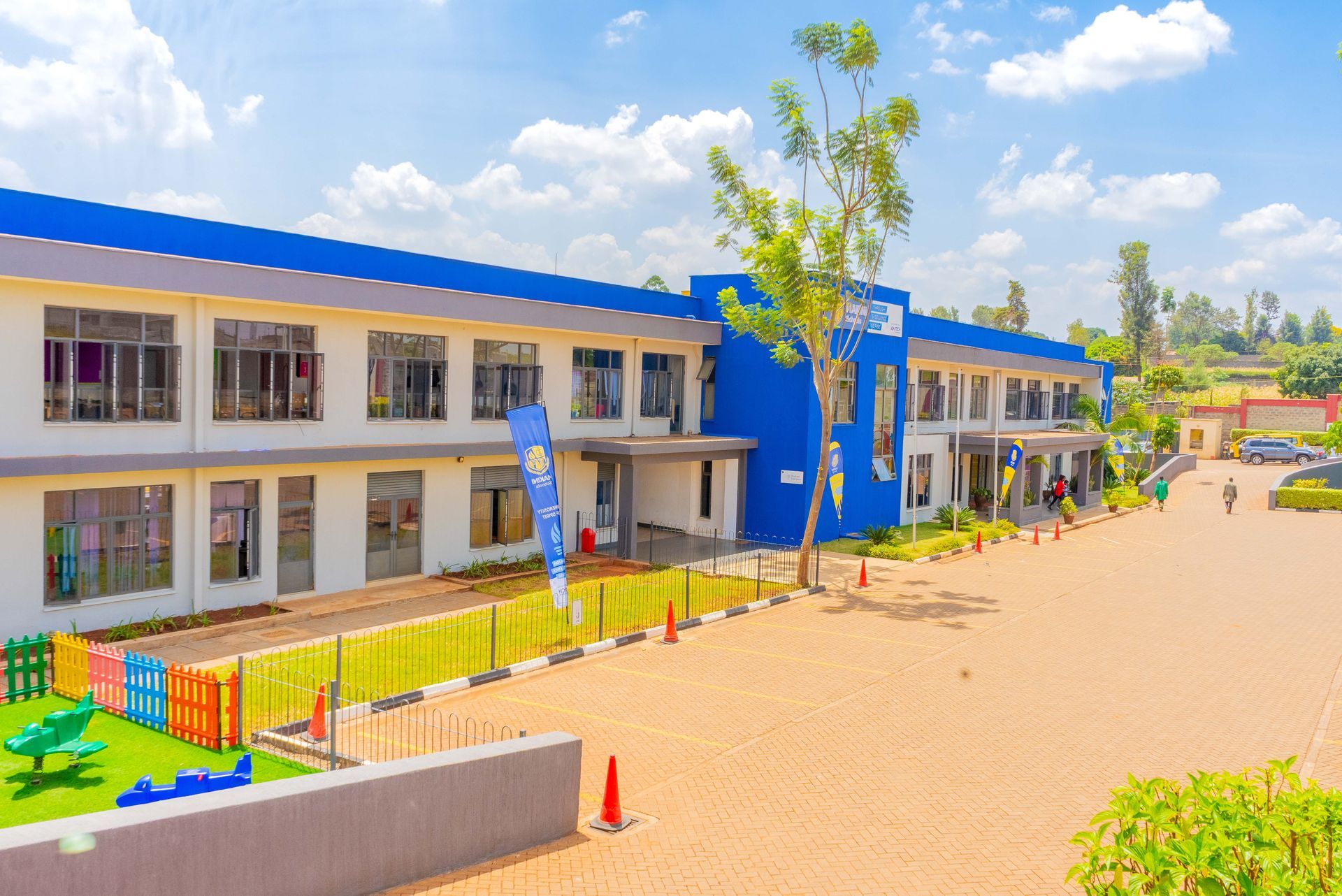
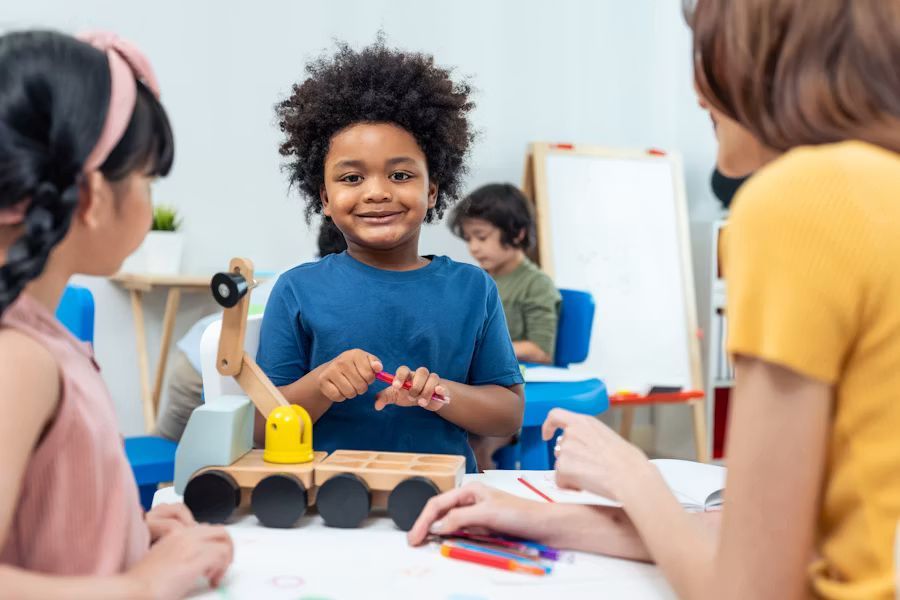
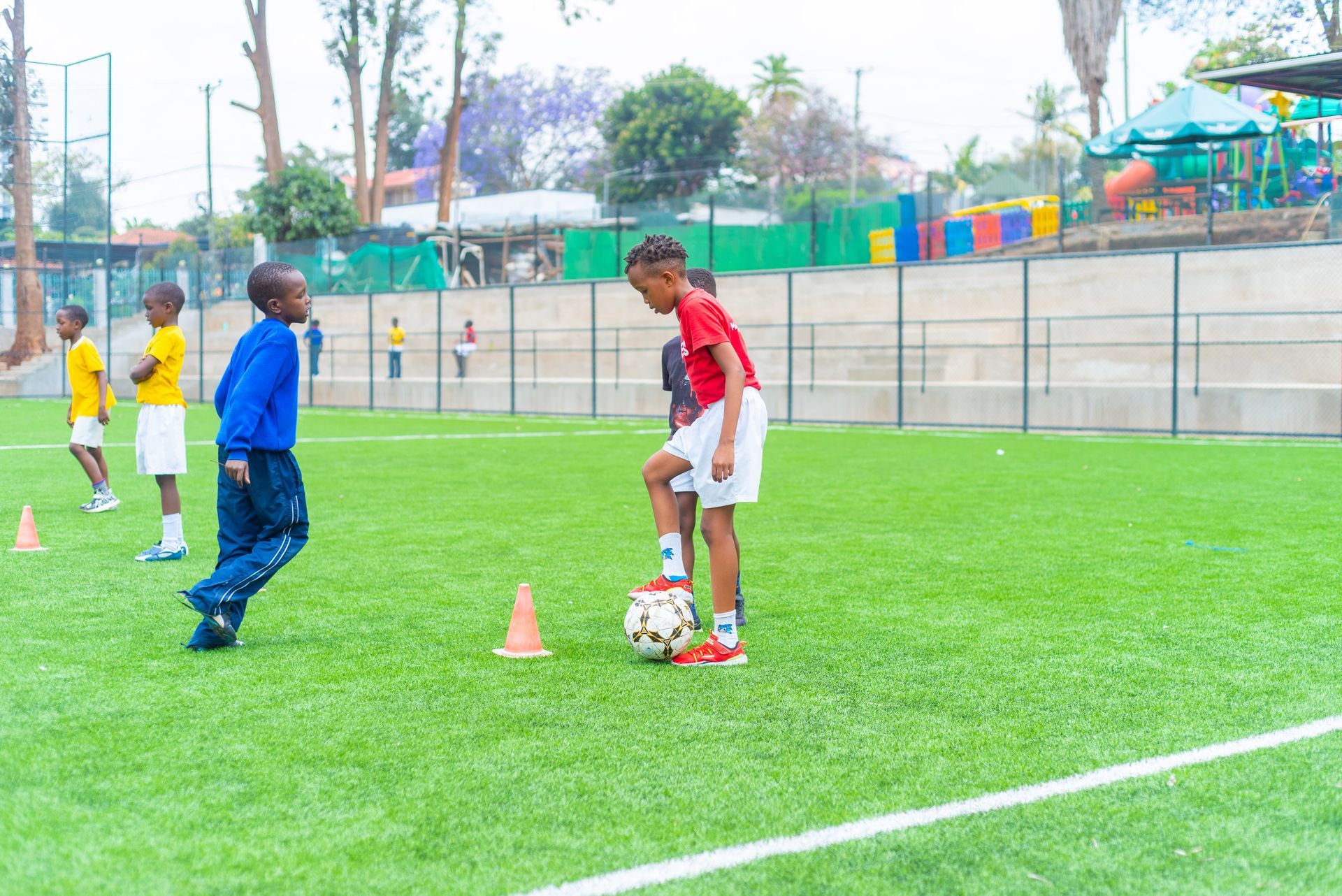
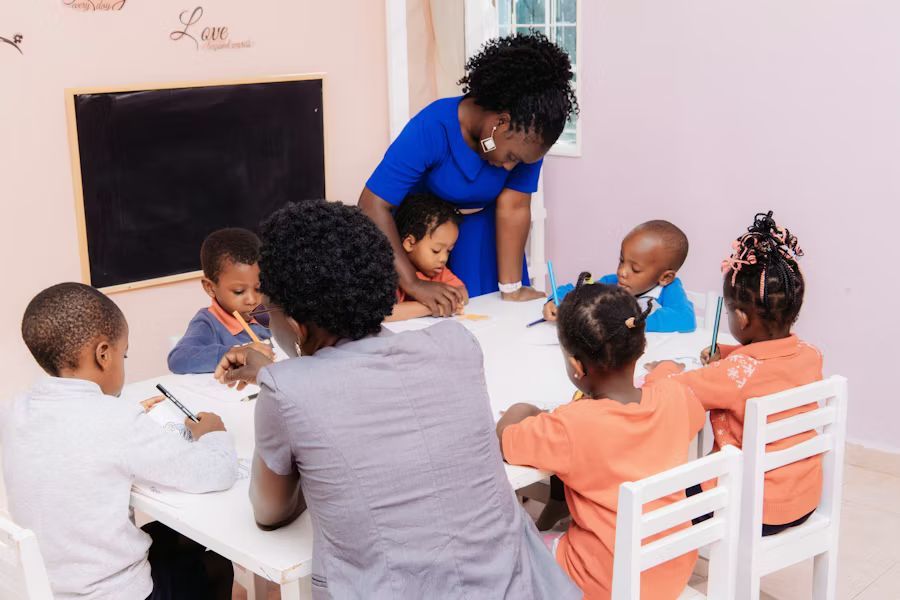
To an observer, a preschool classroom in full flow can look like children playing. They build towers, dress up as doctors and negotiate who gets the red block. But to a trained early years educator, every stack, every scenario, every sandpit negotiation is learning through play in action. In this article, we explain what play-based learning actually is, why it's widely regarded as the most effective approach to preschool learning Kenya-wide, and how Makini brings it to life across Makini Preschool Runda, Makini Preschool Ngong Road and Makini Preschoo Migosi campuses.
What Is Play-Based Learning — and What It Isn't
Play-based learning is an approach to early childhood education in which play is the primary vehicle for learning. It is used intentionally by teachers to build cognitive, language, social, emotional and physical skills. It differs from free play, which is unstructured and without a specific learning objective. It is also different to formal academic instruction, which is teacher-led and worksheet-driven. Play-based learning sits between the two: child-led in energy, teacher-designed in intent. This is the essence of child-led learning early years pedagogy. Every material, prompt and environment is chosen deliberately to provoke thinking, communication and discovery.
What the Research Says About Play and Child Development
Understanding the importance of play in early childhood starts with developmental science. Decades of research confirm that children aged three to six learn most effectively through active, sensory, social and self-directed experience. Play activates multiple areas of brain development at once, from executive function and language acquisition to emotional regulation and spatial reasoning. This is why early years pedagogy worldwide has shifted decisively toward play. To understand more broadly why this stage matters so much, read why early childhood development matters.
The Skills Play Builds — More Than You Might Expect
A well-designed play-based preschool curriculum setting develops far more than most parents realise:
- Language and communication — through storytelling, roleplay, and peer negotiation
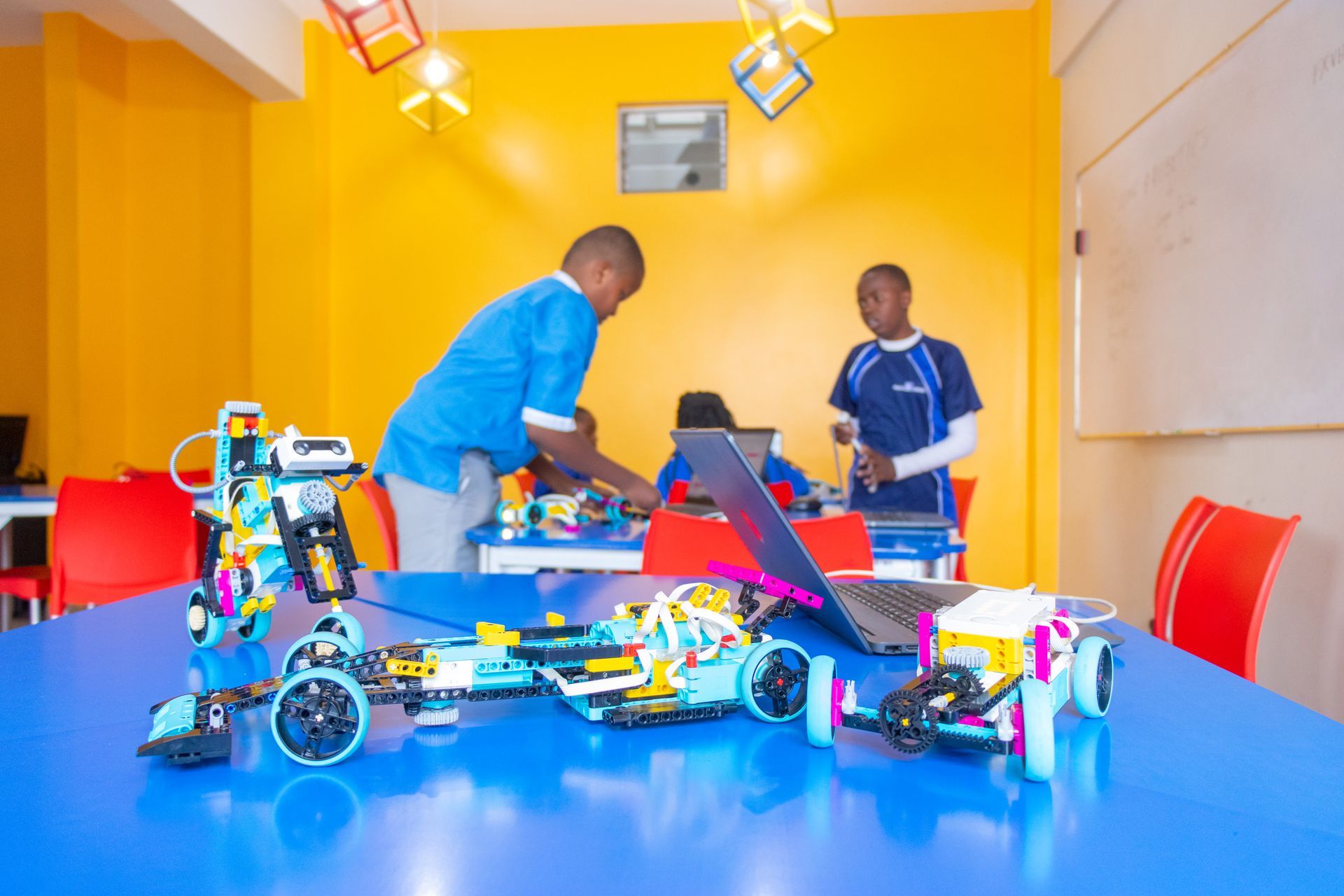
- Problem-solving and early mathematical thinking — through building, sorting, and pattern-making
- Social skills — turn-taking, co-operation, conflict resolution, and empathy
- Emotional regulation — navigating frustration, disappointment, and joy
- Creativity and imagination — through open-ended materials and pretend play
- Physical development — movement, fine motor skills and sensory exploration
These are precisely the foundational skills that determine long-term academic and life success, not the skills typically drilled in a purely formal setting.
Play-Based Learning and the CBE Preschool Curriculum in Kenya
Kenya's Competency Based Education framework explicitly recognises play as a central methodology. The CBE preschool curriculum Kenya follows at Pre-Primary level is built around active, experiential, play-based approaches that reflect international best practice in holistic early childhood education. At Makini, this is delivered through carefully designed learning environments, theme-based play activities and teacher-facilitated exploration aligned to specific outcomes.
How does the CBE curriculum use play-based learning? By making competency, not rote knowledge, the goal and ensure that the preschool experience is joyful and developmentally rigorous at once.
Does Play-Based Learning Prepare Children for 'Real' School?
Many parents quietly wonder: if my child is playing all day, will they be ready for formal learning? The answer is yes, and often more so than children who undergo early academic drilling. Research consistently shows children from play-based early years programmes demonstrate stronger executive function, better self-regulation, greater curiosity and more robust language skills once they enter formal schooling.
Early academic pressure, by contrast, is linked to increased anxiety and reduced intrinsic motivation. In short: does play-based learning prepare children for school? It builds the very foundations that make formal learning possible.
How Parents Can Support Play-Based Learning at Home
If you’re wondering how to support play-based learning at home, try this:
- Prioritise unstructured outdoor play daily
- Offer open-ended materials like blocks, clay, art supplies or dress-up items over single-purpose toys
- Join imaginative play without directing the narrative
- Read aloud together and ask open questions about the story
- Involve children in real-life tasks like cooking, gardening, and tidying
- Resist over-scheduling; children need unhurried time to play deeply
Curious to see it in action? We'd love to welcome you to experience Makini's preschool approach Nairobi families trust, at our Runda or Ngong Road campuses.
FAQs
- What is play-based learning?
Play-based learning is an intentional approach to early childhood education where play is used as the primary vehicle for developing cognitive, language, social, emotional, and physical skills. Unlike unstructured free play, it is teacher-designed with clear learning objectives, even though it feels child-led to the child. - Is play-based learning effective for academic readiness?
Yes. Research shows children who experience play-based early years programmes develop stronger executive function, self-regulation, curiosity, and language skills than children who undergo early academic drilling. These are the foundational skills that make formal learning possible, meaning play-based learning builds school readiness rather than delaying it. - How is play used in the CBE preschool curriculum?
Kenya's Competency Based Education framework places play at the centre of Pre-Primary learning. At Makini, this is delivered through carefully designed learning environments, theme-based play activities, and teacher-facilitated exploration that align play with specific learning outcomes, making the experience both joyful and developmentally rigorous. - How can parents support play-based learning at home?
Parents can prioritise daily outdoor play, offer open-ended materials like blocks and art supplies, join in imaginative play without directing it, read aloud and ask open questions, involve children in real-life tasks such as cooking and gardening, and avoid over-scheduling so children have time to play deeply