Grade 9 to Grade 10: Preparing Your Child for the Transition to Senior School
Key Takeaways
- The move to Senior School brings pathway-based learning, greater independence and a new environment
- Academic demands grow steadily, but small, consistent habits help manage the step up
- Open conversation supports pathway commitment far better than pressure
- Boarding and day options both carry genuine benefits depending on your family's needs
- Building everyday independence now makes the transition far smoother in January
- A simple, practical checklist removes much of the last-minute stress
Moving into Senior School in January of 2027 is a big milestone. It’s exciting but also comes with a few understandable nerves. This Grade 9 to Grade 10 transition is one of the most significant shifts in a child's schooling journey. To help ease the nerves, this article walks through what actually changes, how to prepare academically, what to weigh up between boarding and day options, and how to help your child step into this new chapter with confidence.
What Changes From Junior to Senior School
Moving from junior to senior school in Kenya comes with several clear shifts that are worth understanding well ahead of time. At this stage, learning becomes organised around specific pathways rather than a single shared curriculum. This means that your child begins to specialise in subjects that align with their strengths as well as their interests. The learning style itself becomes noticeably more independent. There is a greater emphasis on self-directed study and personal responsibility. A new physical environment and a wider circle of peers also form part of this transition. While that can feel like a lot to take in at once, it’s a change that schools are well aware of and are also well practised in supporting families through.
The Academic Step-Up
Preparing for senior school academically doesn’t need to mean overhauling everything at once. The depth of content increases, study habits need to mature and the overall workload grows somewhat heavier than it was in junior school. With a few practical habits, real confidence can be built ahead of this shift.
- Encourage your child to read more widely around their chosen pathway subjects
- Introduce short, regular study sessions rather than occasional long ones
- Talk through how senior subjects connect to their longer-term interests and goals
- Encourage questions rather than passive note-taking during revision
Supporting Your Child's Commitment to Their Pathway
Open, low-pressure conversation does more for pathway commitment than any amount of persuasion does. Ask your child what excites them about their chosen subjects. Listen to them, without rushing to steer the conversation. If doubts surface, treat them as completely normal rather than a sign that something has gone wrong, since many learners reconsider their choices at some point before settling confidently into them.
Boarding or Day: What to Consider
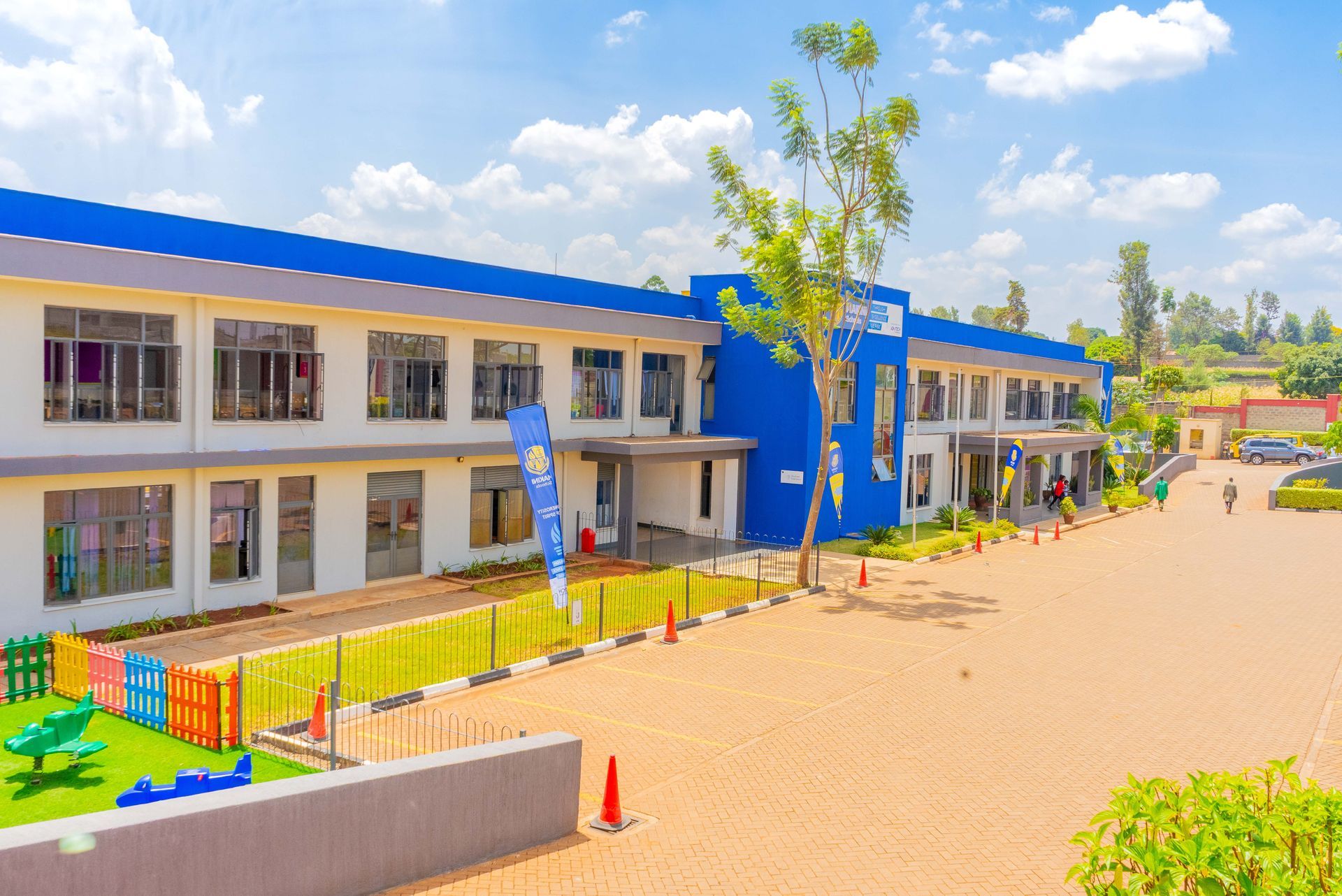
Among the most common senior school transition tips parents look for is guidance on choosing between boarding or day senior school in Kenya. There is no right answer to this. It simply depends on your family's particular circumstances. Distance from home, your child's established routines, their readiness for greater independence and the level of support they are likely to need all factor into this decision. Families exploring Makini Senior School options may find it useful to look at Makini Senior School Runda or Makini's Kisumu City campus. Both of these campuses offer day provision.
Building Independence Before January
How to build independence before senior school starts with some simple tips. Encourage your child to manage their own time, keep track of their own belongings and take ownership of daily routines like packing their bag or planning their homework schedule. It’s also important to help them practise speaking up when they need support, whether that’s with a teacher or a friend. This single habit makes an enormous difference once they are settled into a bigger school environment.
Social and Emotional Readiness
New friends, new teachers and a considerably larger setting can understandably bring on a few nerves. Acknowledging this openly tends to help far more than brushing past it. Simple conversations about what to expect, paired with reassurance that it’s normal to feel unsettled at first, go a long way toward building genuine confidence. Encouraging your child to join a club or activity early on can also help new friendships take root more quickly.
A Practical Preparation Checklist
A clear, scannable checklist takes much of the stress out of this transition for busy families.
- Confirm uniform, stationery and equipment requirements well ahead of the term starting
- Establish a consistent morning and evening routine before school begins
- Set up a dedicated, distraction-free study space at home
- Keep communication channels with the new school open from day one
- Review our guide on how to prepare for secondary school for a broader look at getting ready for this stage
Next Steps: Reporting, Visits and Enquiries
Grade 10 2027 reporting dates should always be confirmed directly with the school you are enrolling with, since official dates are set and communicated closer to the start of term. Parents wondering when do Grade 10 learners report to senior school are encouraged to contact Makini directly or arrange a campus visit to get the most current, confirmed details.
Frequently Asked Questions
- What changes from junior to senior school?
Learning becomes organised around specific pathways, the learning style grows more independent, and your child moves into a new environment with a wider circle of peers and teachers. - How do I prepare my child for senior school?
Focus on steady study habits, open conversation about their chosen pathway and everyday independence, such as managing their own time, belongings and routines well ahead of January. - When do Grade 10 learners report to senior school?
Official reporting dates are confirmed by each school closer to the start of term, so parents should contact Makini directly or visit a campus for the most current information. - Is senior school harder than junior school?
The content grows deeper and the workload increases somewhat, but with consistent study habits and early preparation, most learners adjust to this step up with real confidence. - Should my child board or attend senior school as a day learner?
This depends on factors like distance from home, your child's readiness for independence, and the level of daily support they need, and both options offer genuine benefits.