Understanding and Supporting Teen Identity Development in Schools
Key Takeaways
- Teen identity development is a normal and important part of adolescence.
- Identity development international schools support is shaped by unique cultural and social experiences.
- Schools present both challenges and opportunities for self-discovery.
- Strong peer relationships contribute to adolescent belonging and sense of self.
- Parents can support growth through open communication and patience.
- Schools play a vital role in providing adolescent development support and fostering inclusion.
- A nurturing environment that values diversity and belonging can positively influence lifelong wellbeing.
Adolescence is one of the most important and complex stages of a young person's life. It is a time that’s marked by questions of identity, belonging, independence and self-worth. As teenagers begin to explore who they are and where they fit in the world, they also encounter many moments of uncertainty, growth and self-discovery.
For learners in schools, this journey often includes extra layers of complexity. Navigating multiple cultures, adapting to new environments and developing relationships within diverse communities can shape the way young people see themselves as well as others. When parents, guardians and educators understand teen identity development, they can provide the support teenagers need to thrive.
What Is Teen Identity Development?
Teen identity development is the process through which young people begin to develop a clearer understanding of who they are, what they value and where they belong.
To put it simply, it involves moving from identities that are largely shaped by family, school and culture toward a more personal and self-defined sense of self. This process is a key part of adolescent identity formation that schools seek to support through academic and pastoral programmes.
During this important life stage, teenagers may:
- Explore new interests and passions
- Question previously held beliefs
- Experiment with different social groups
- Develop personal values and goals
- Seek greater independence
During this time, parents will often ask themselves why is adolescent identity formation important. The answer is that a strong sense of identity helps teenagers build confidence, resilience, healthy relationships and a greater sense of purpose as they move into adulthood.
Why Schools Present Unique Identity Challenges
The process of identity development that international schools support is often shaped by experiences that differ from those in more traditional school settings.
School students may face challenges such as:
- Frequent moves between countries or cities
- Changing friendship groups
- Exposure to multiple cultural norms and expectations
- Balancing different languages and traditions
- Feeling uncertain about where they belong
Over and above this, schools offer valuable opportunities for multicultural identity development teens may not experience elsewhere. Exposure to diverse perspectives can assist students in becoming more adaptable, culturally aware and open-minded.
For those parents who are asking how do international schools affect teen identity, the answer is both positively and challengingly. These environments encourage growth. However, they also require students to navigate more complex questions about belonging and self-understanding.
The Impact of Cultural Transitions on Teen Identity
One of the most significant influences on cultural identity adolescents experience is movement between cultures.
Students who relocate frequently may feel connected to several places while not feeling fully rooted in any one of them. This experience can create a sense of being "between worlds."
Understanding how do cultural transitions affect a teenager's sense of identity is important because these transitions can be both enriching and emotionally demanding. Teenagers may need time and support to integrate different cultural influences into a coherent sense of self.
Belonging and the Search for Peer Connection
A strong sense of belonging is essential during adolescence. As teenagers become increasingly influenced by their peers, friendships play a major role in shaping identity.
In schools, students often build relationships with classmates from diverse backgrounds. While this can sometimes make social connections more challenging initially, it also provides opportunities for meaningful cross-cultural friendships that strengthen adolescent belonging and sense of self.
Signs a Teenager May Be Struggling with Identity Development
While uncertainty is a very normal part of adolescence, some signs may indicate that a teenager needs additional adolescent development support.
These may include:
- Withdrawal from social activities or friendships
- Increased emotional volatility or sensitivity
- Visible confusion about cultural or personal identity
- Significant loss of motivation
- Difficulty making decisions about future goals
- Excessive need for external validation
- Sudden rejection of long-held interests or values
These are not necessarily causes for alarm. Instead, they may be indicators that a teenager would benefit from additional support, understanding and conversation.
How Parents Can Support Teen Self-Discovery
How can parents support their teen's self-discovery during this time? Some of the most effective approaches include:
- Maintaining open and non-judgmental communication
- Listening more than advising
- Resisting the urge to solve uncertainty too quickly
- Encouraging exploration of interests, hobbies, and creative pursuits
- Validating complex feelings about culture and belonging
- Supporting independence while remaining available and engaged
- Avoiding pressure to conform to a specific identity or future path
When it comes to supporting teen self-discovery, consistency is what really matters. Teenagers benefit from knowing they have trusted adults who will support them throughout the process, even when answers are not immediately clear.
The Role of Schools in Adolescent Identity Support
Schools play a crucial role in adolescent identity formation schools aim to nurture.
A supportive school environment typically includes:
- Strong pastoral care programmes
- Inclusive and representative curriculum content
- Diverse extracurricular opportunities
- Student leadership initiatives
- Access to counselling and wellbeing support
- School cultures that celebrate diversity and belonging
These elements contribute significantly to international school student wellbeing and can help students feel safe exploring who they are.
How Makini Supports Student Identity Development
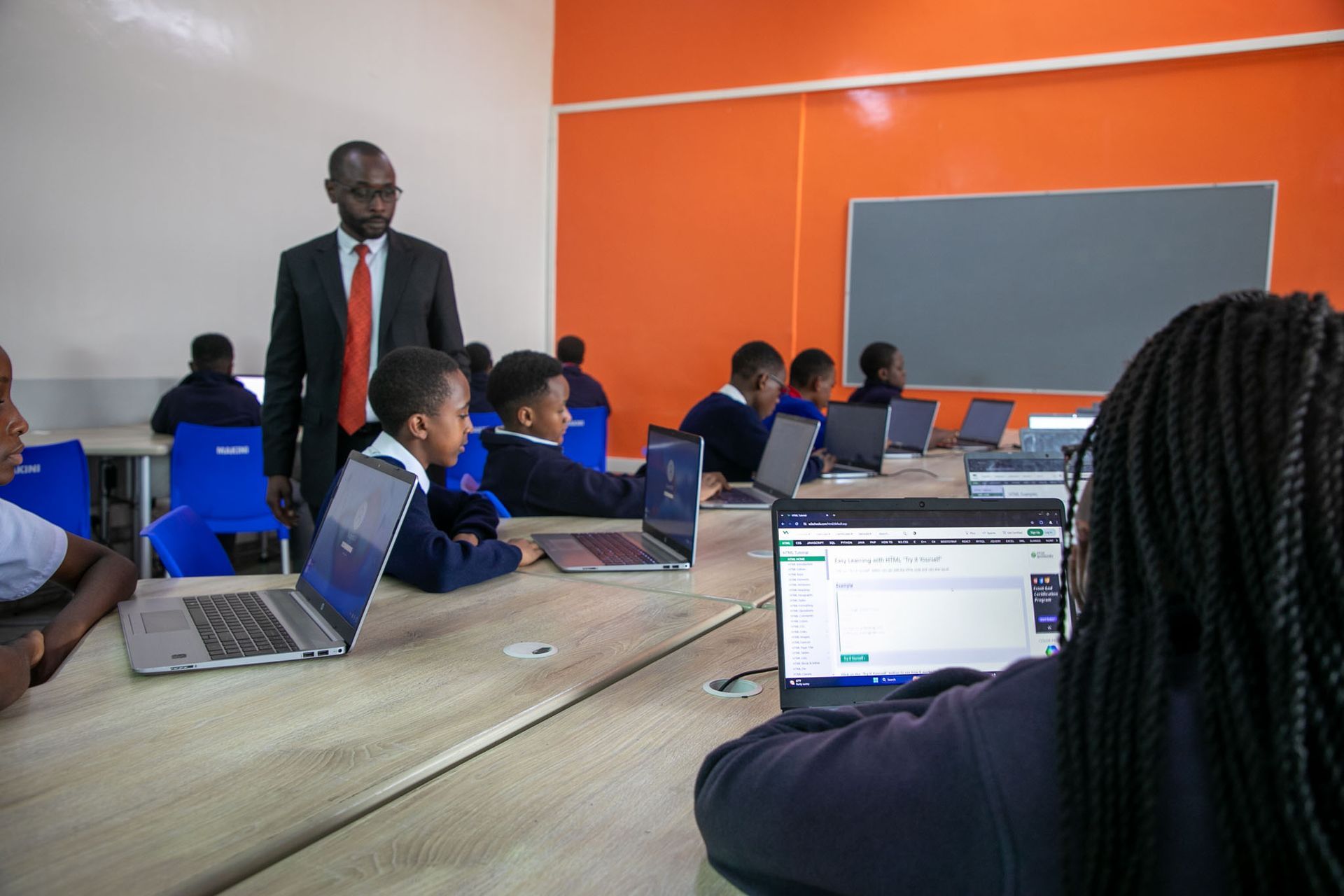
At Makini School, student wellbeing, belonging and personal growth are viewed as essential parts of a successful education. The school recognises that teen identity development is an ongoing journey and seeks to create an environment where every student feels valued, respected and included.
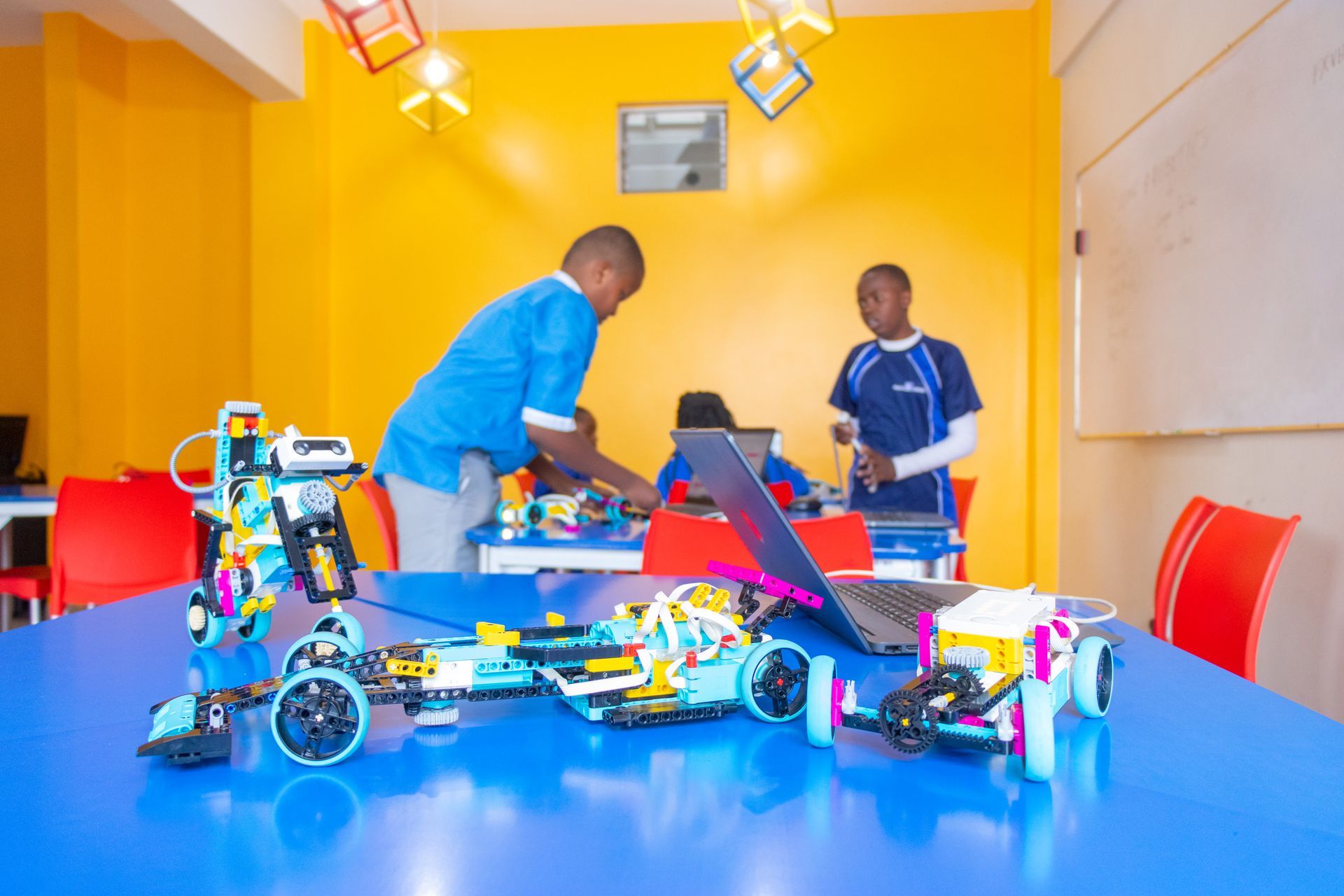
Through strong pastoral care, meaningful student relationships, diverse learning experiences and a culture that celebrates individuality, Makini creates opportunities for students to explore their strengths, interests, values and aspirations.
By fostering inclusion and encouraging authentic self-expression, Makini supports students and helps them develop confidence in who they are becoming.
FAQs
- How does adolescence affect identity development?
Adolescence is the period when young people begin exploring their values, beliefs, interests and sense of belonging. It is a critical stage for identity formation. - What challenges do teens face in multicultural school environments?
Students may experience cultural uncertainty, transitions, changing peer groups and questions about belonging while navigating multiple identities. - How can schools support teen identity exploration?
Schools can provide inclusive learning environments, strong pastoral care, diverse extracurricular activities and access to wellbeing support. - What signs indicate a teen is struggling with identity issues?
Withdrawal, emotional volatility, confusion about identity, loss of motivation, excessive need for approval and difficulty making decisions may all be indicators. - How can parents support their teen's identity development?
Parents can provide open communication, emotional support, encouragement for exploration and acceptance as teenagers discover who they are.