Building Emotional Intelligence in Children: A School and Home Partnership
Key Takeaways
- Emotional intelligence in children is a set of learnable skills, not a fixed trait
- Developing EQ in students should begin early and continue intentionally through every school phase
- The five core EQ areas are self-awareness, self-regulation, motivation, empathy, and social skills
- Schools support EQ through emotionally safe classrooms and curriculum integration
- Parents support EQ through conversations, routines, modelling and EQ activities
- Teaching empathy to children and building resilience in students requires consistency over time
- Strong school home partnership approaches create the greatest long-term impact
- Small daily practices often matter more than large interventions
Academic achievement and emotional intelligence are sometimes treated as separate priorities. In reality, they work hand in hand. Children who possess strong emotional intelligence and are socially confident, are often better equipped to manage challenges, build healthy relationships and engage positively in learning. Research has consistently shown that strong emotional intelligence supports resilience, communication, collaboration and even academic performance.
It is important to note that developing EQ in students isn’t something schools can achieve alone, nor something parents can build in isolation. Emotional growth happens most effectively when schools and families work together consistently. In this practical guide for educators, parents and carers, you’ll learn how to support emotional intelligence at every school stage, from preschool through secondary school, through everyday conversations, activities and modelling behaviours.
What Is Emotional Intelligence and Why Does It Matter in Schools?
Emotional intelligence in children refers to the ability to recognise, understand, manage and express emotions effectively, while also understanding and responding appropriately to the emotions of others.
EQ isn’t a personality trait children either possess or don’t. It is a set of skills that can be learned, practised and strengthened over time.
Schools are a very important environment for emotional growth. This it because children constantly navigate:
- Friendships and social dynamics
- Group work and teamwork
- Disagreements and conflict
- Academic pressure and setbacks
- Communication with peers and adults
Social skills development in schools occurs because children are in a real-world training ground every day.
The Five Core Components of EQ
The five core areas of emotional intelligence provide a useful framework for understanding EQ development:
- Self-awareness – recognising emotions and understanding how they affect behaviour
- Self-regulation – managing emotions and impulses effectively
- Motivation – staying focused and resilient through challenges
- Empathy – understanding and responding to the feelings of others
- Social skills – building healthy relationships and communicating effectively
These five areas shape everything from teaching empathy to children to building resilience in students.
Developing EQ at Different Stages
Emotional development looks different at every age. Due to this, effective support must be age-appropriate and practical.
Preschool and Foundation Phase (Ages 3–6)
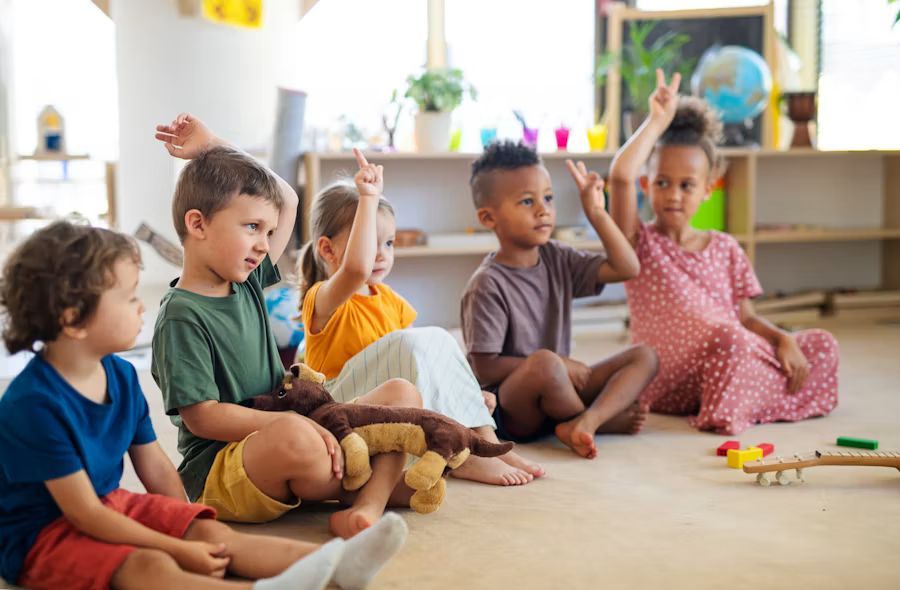
At this stage, emotional learning focuses on recognising feelings, developing emotional vocabulary and learning simple social behaviours.
Helpful approaches include:
- Naming emotions clearly: “You seem frustrated because the game changed.”
- Reading books that explore feelings and relationships
- Using role-play and pretend play to encourage empathy
- Practising sharing and turn-taking
- Modelling emotional honesty as adults
These are powerful EQ activities for kids because young children learn primarily through observation and repetition.
This early phase is especially important because emotional patterns often begin forming alongside broader developmental foundations. Understanding how to develop emotional intelligence in primary school children often starts with recognising how critical the early years are for emotional growth.
Primary School (Ages 7–11)
In primary school, children begin developing more sophisticated emotional understanding. They start recognising that different people may experience the same situation differently.
Useful strategies include:
- Daily emotional check-ins or emotion journals
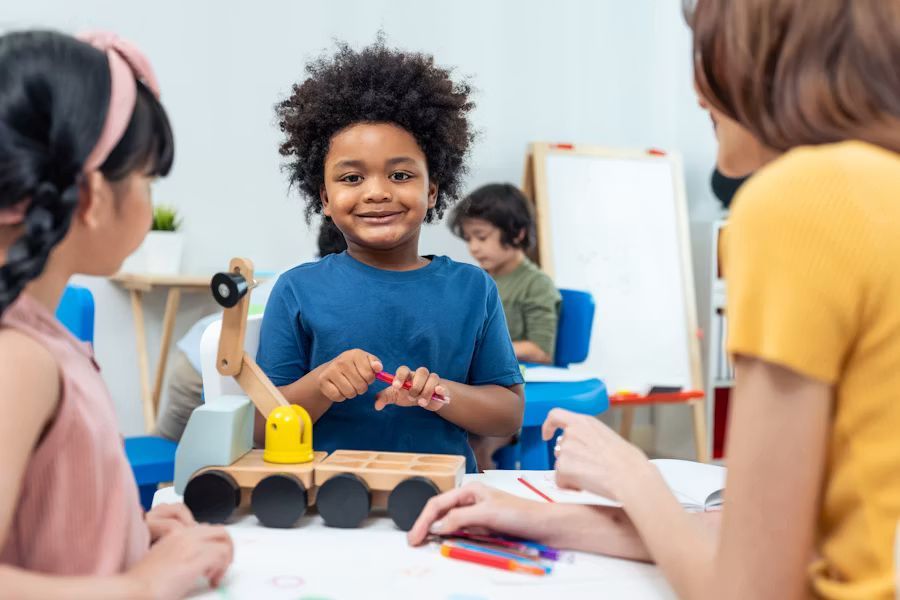
- Structured group projects that build cooperation
- Circle discussions about friendship and conflict
- Teaching breathing exercises and calming techniques
- Reflective conversations after disagreements
These approaches strengthen self-awareness activities for students while supporting empathy development primary school programmes increasingly prioritise.
At this age, structured social-emotional learning school programmes and SEL curriculum primary school activities are introduced. These programmes are designed to support emotional growth consistently.
Secondary School (Ages 12–18)
Adolescence brings greater emotional complexity. Teenagers navigate identity, independence, peer pressure, relationships and increasing academic demands.
Key strategies include:
- Discussions around ethical decision-making and perspective-taking
- Mentorship and advisory programmes
- Leadership opportunities and peer mentoring
- Explicit conversations about setbacks and resilience
- Reflection on emotional responses and choices
This stage is especially important for building resilience in students, helping teenagers understand that setbacks are normal and that they can be managed.
Secondary school also offers opportunities for deeper conversations around how can schools teach emotional regulation to students in ways that feel practical and relevant.
How Schools Can Build Emotional Intelligence
Strong EQ development must be embedded into school culture and not treated as a once-off lesson.
Creating an Emotionally Safe Classroom
An emotionally safe classroom allows students to make mistakes, express concerns and participate without fear of shame or ridicule.
Practical strategies include:
- Clear classroom routines and expectations
- Respectful communication norms
- Restorative conversations after conflict
- Responding to emotional dysregulation with curiosity rather than punishment
- Ensuring students have trusted adults available
These approaches strengthen the emotional wellbeing of children in school.
Embedding EQ Into the Curriculum
EQ can be integrated naturally into everyday teaching.
Some examples of what this could look like include:
- Literature discussions exploring characters’ motivations and emotions
- History lessons examining ethical choices and consequences
- Drama and storytelling activities that encourage perspective-taking
- Group projects that build collaboration and communication
This approach helps answer the question of how to teach emotional intelligence at school without requiring entirely separate lessons.
The Role of Parents: Building EQ at Home
Home is where so much emotional learning happens naturally. Parents don’t need to become therapists or lecturers to assist in this learning. Instead, they can create environments where emotional honesty and reflection are normal.
Activities That Develop Emotional Intelligence
Practical EQ activities for kids can easily become part of daily family life:
- Feelings check-ins during dinner or bedtime
- Discussing characters’ emotions while reading together
- Cooperative games requiring teamwork and negotiation
- Drawing or journaling about emotions
- Role-playing social situations
These are simple but effective activities to build empathy and social skills in children. Remember that consistency matters more than complexity.
Conversations and Modelling Behaviours
Children learn emotional habits by watching adults closely.
Helpful practices include:
- Naming your own emotions calmly
- Validating children’s feelings before solving problems
- Modelling healthy conflict resolution
- Asking reflective questions after social experiences
For example:
- “How do you think your friend felt?”
- “What could you try differently next time?”
These everyday interactions are central to emotional regulation strategies children gradually internalise over time.
The School–Home Partnership in EQ Development
The strongest emotional growth happens when schools and families work together consistently.
A successful school home partnership about the emotional development approach may include:
- Shared emotional vocabulary between school and home
- Parent workshops on emotional development
- Teacher communication about social and emotional growth
- Reinforcing the same regulation and empathy strategies across environments
This collaboration helps answer an important question many families ask: how parents and teachers can work together to support EQ development effectively and consistently.
Importantly, this partnership isn’t about perfection. Small, consistent efforts from both school and home can create a lasting impact.
FAQs
- What is emotional intelligence and why does it matter for children?
Emotional intelligence helps children recognise, manage and express emotions while building healthy relationships and resilience. - At what age should emotional intelligence education begin?
EQ development can begin in early childhood through simple conversations, routines and emotional modelling. - How can schools teach emotional intelligence skills?
Schools can integrate EQ into classroom routines, discussions, group work and structured social-emotional learning programmes. - What activities develop emotional intelligence in children?
Emotion check-ins, storytelling, role-play, cooperative games and reflective conversations all support EQ development. - How can parents support emotional intelligence at home?
Parents can model healthy emotional behaviour, encourage open conversations, validate feelings and practise consistent emotional routines.