A Unique Learning Approach Among Private Schools in Kenya

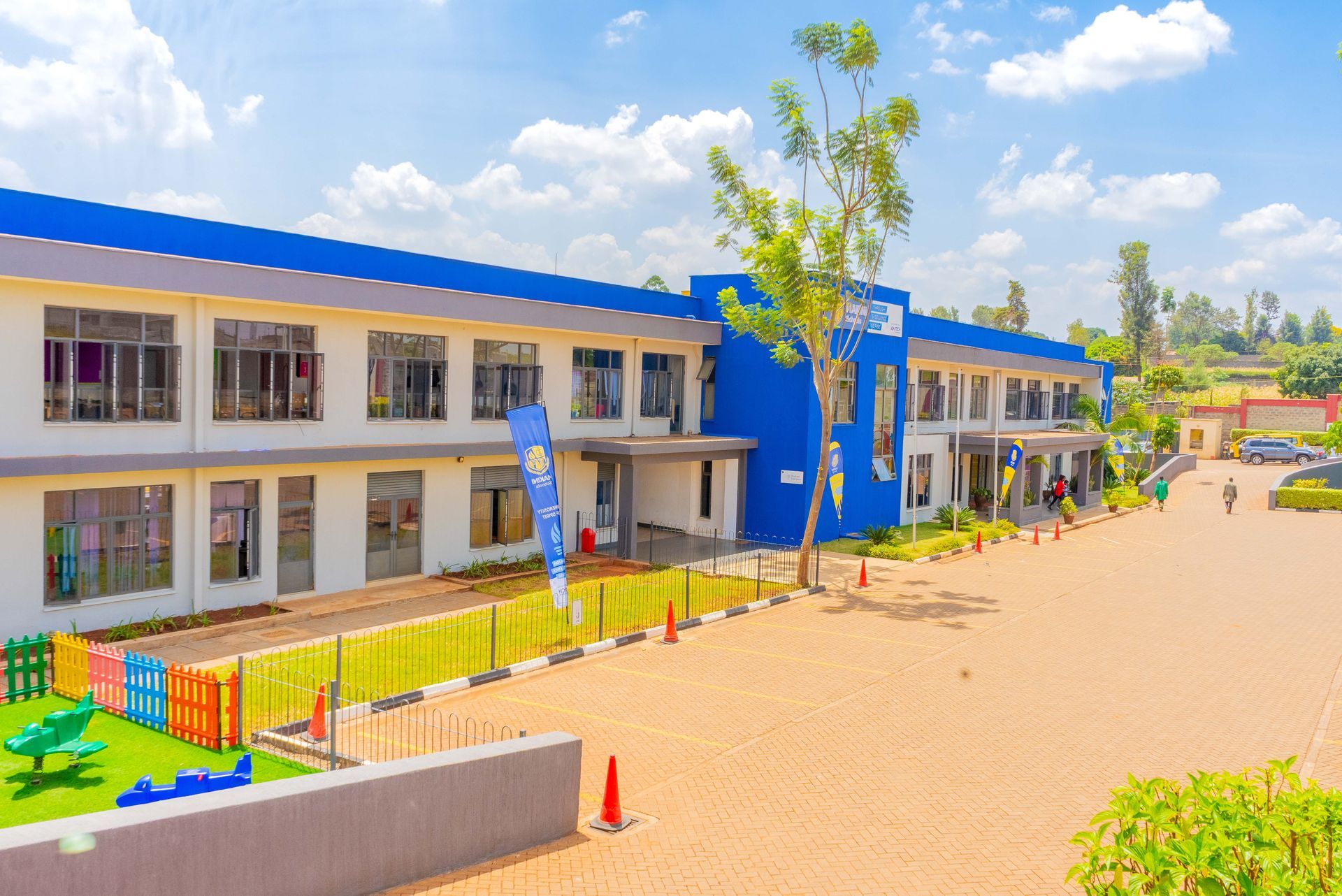
In the dynamic and varied educational landscape in Kenya, there is one school that stands head and shoulders above the rest. Known for its unique learning approach among private schools, Makini School is reshaping this sector and setting new standards for what affordable, quality education looks like.


Beyond providing affordable, high-quality private school education in Kenya, Makini School is set apart by its academic rigor as well as its commitment to nurturing well-rounded individuals who are ready to take on the world beyond the school gates.


A unique approach to learning


At the heart of our school’s success is our distinct approach to learning.

Unlike traditional models that focus solely on academic achievement, our primary and junior secondary schools in Kenya employ a multifaceted strategy that emphasizes Child Centered Learning (CCL), educating the whole child through co-curricular activities, pastoral care as well as warm relationships. This unique approach has allowed us to achieve many firsts.


Here are our top 5:


1.   The 1st school in top 100 mid-sized companies in Kenya

2.   The 1st school to have 16 items in the Drama Festivals National level

3.   The only Kenyan school at the Students World Games in Austria & Germany

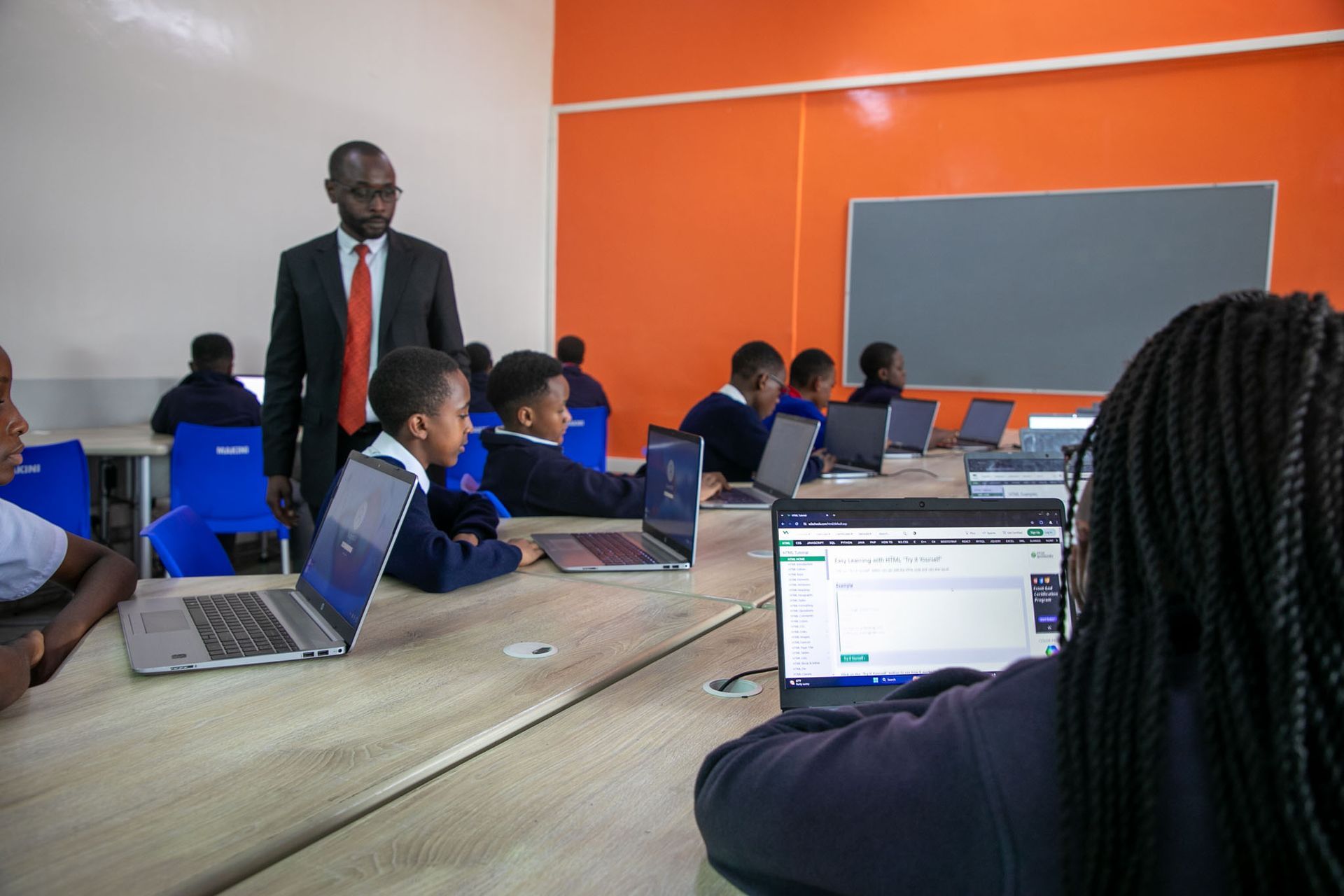
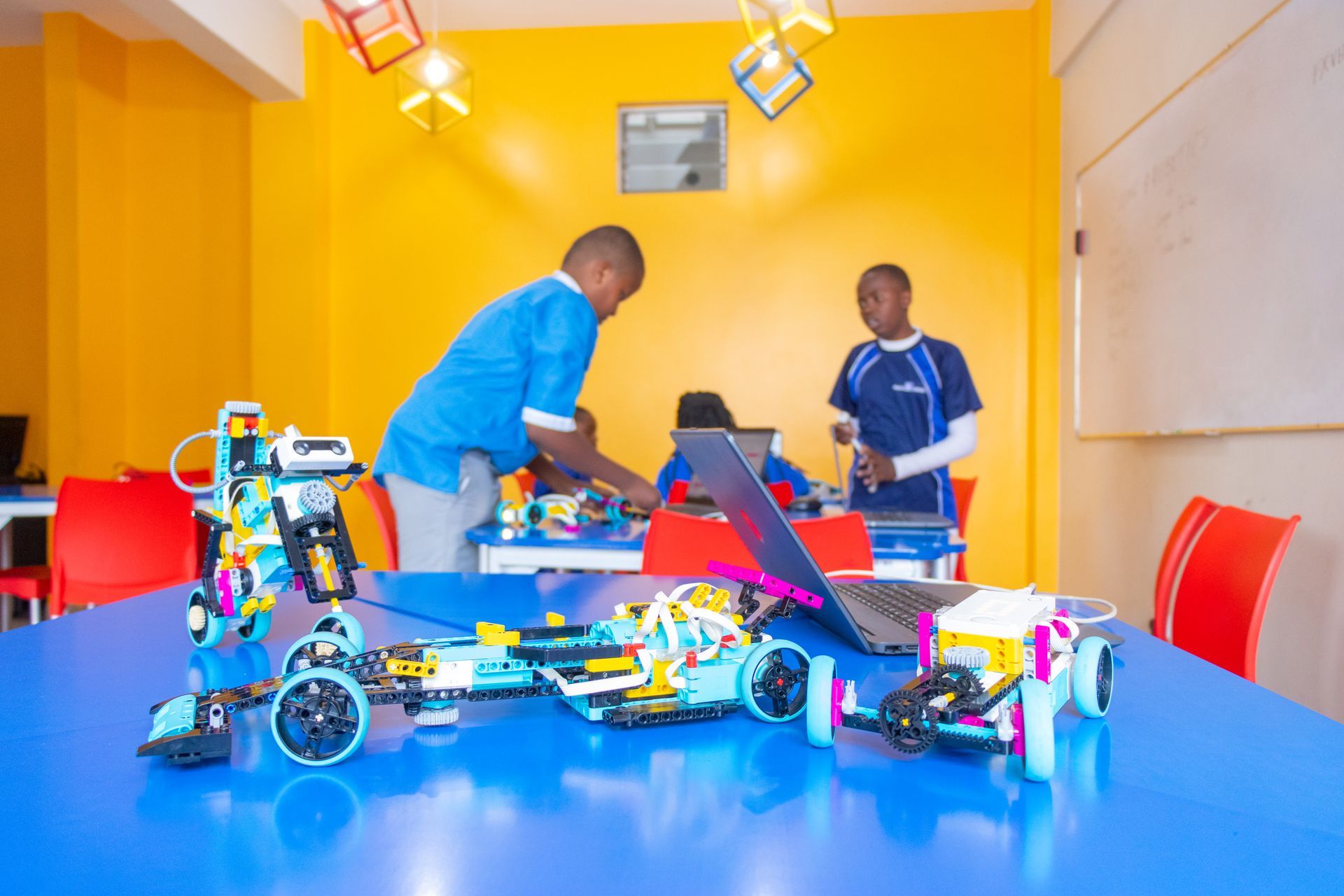
4.   The 1st Kenyan Primary School to introduce computers as an educational tool

5.   The 1st school in Kenya and 2nd in Africa to launch Global Travel & Tourism Partnership (GTTP).

6.   The 1st school in Extracurricular activities during 2024 Great place to school awards.

7.   The 1st School in health, safety and sanitation in 2024 Great place to school awards.

8.   The 1st School in social corporate responsibility in 2024 Great place to school awards.


Child Centered Learning


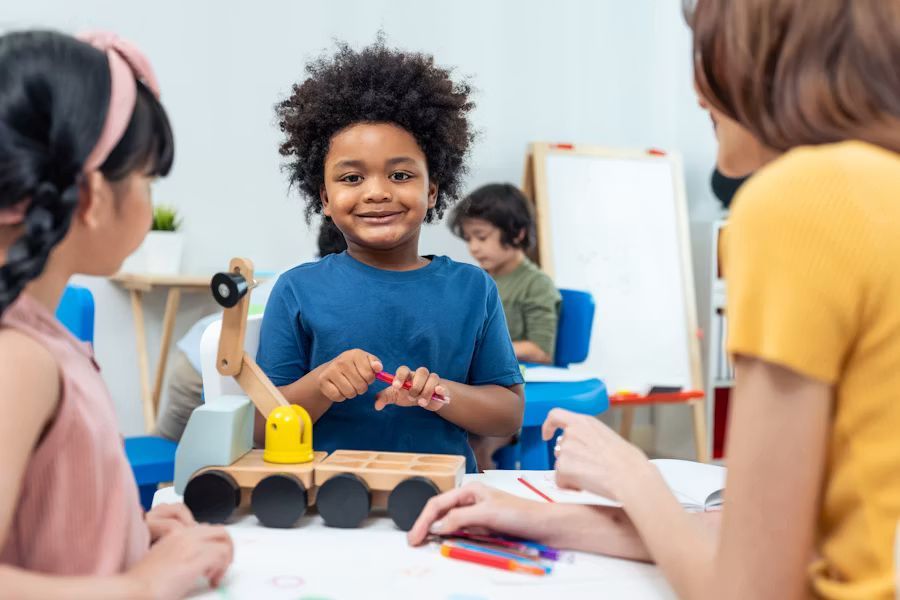
Our students take the reins of their educational journey and our teachers serve as facilitators and mentors rather than traditional instructors. This child centered approach ensures that lessons are tailored to each learner's interests and needs, making the learning process engaging, interesting and relevant. Instead of relying solely on conventional assessments, we put emphasis on project-based and activity-oriented outcomes. This gives our learners the opportunity to demonstrate their knowledge and understanding through practical applications and creative endeavors. This hands-on methodology not only reinforces academic concepts but also nurtures essential skills like problem-solving, critical thinking, independence and creativity.


Educating the whole child


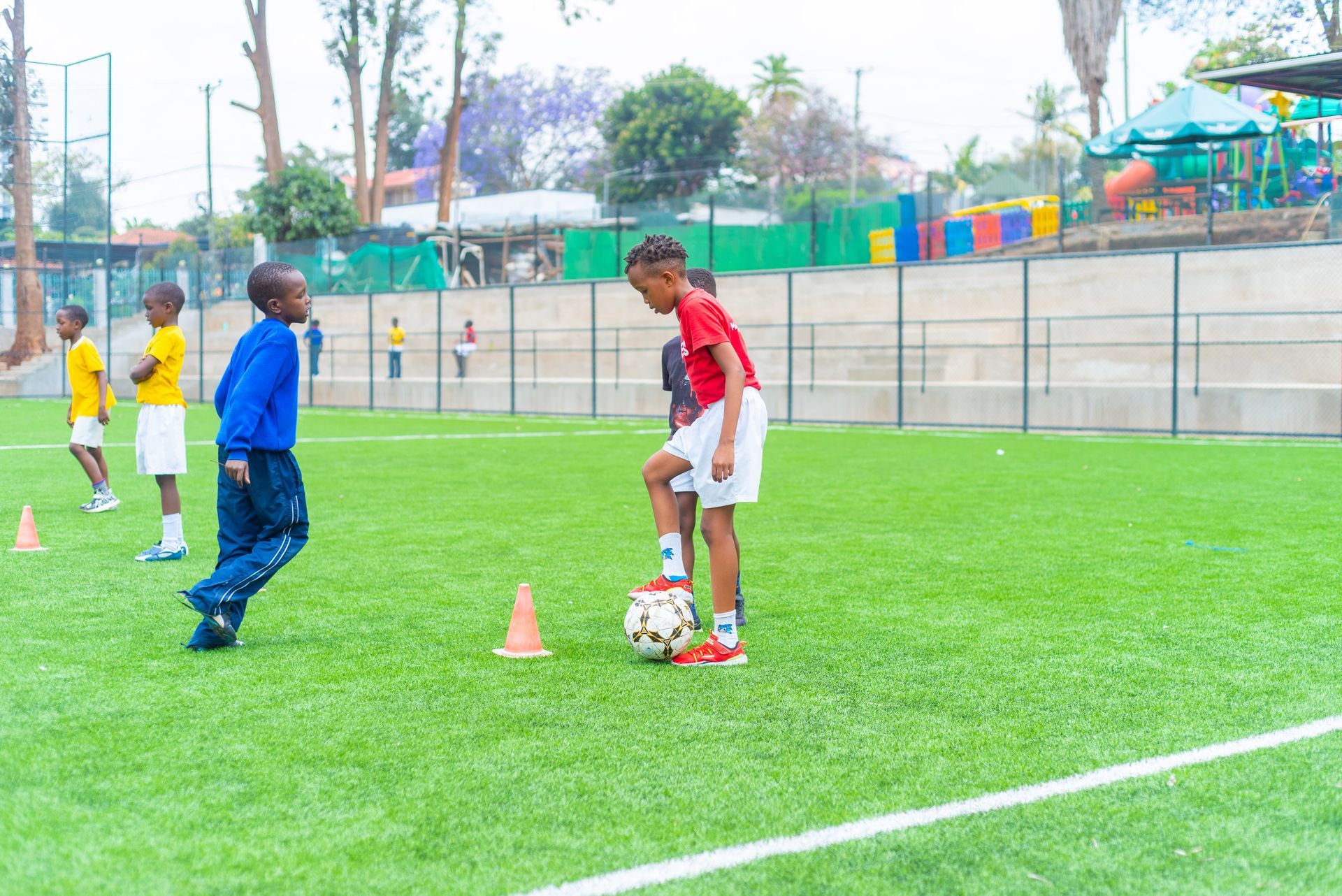
To ensure a well-balance education, we place equal emphasis on nurturing each child’s talents and interests. This is done through a diverse range of co-curricular activities. From athletics, performing arts, swimming and soccer to clubs like debate, French, journalism, spelling bee and scouts, we provide opportunities for students to hone their skills to competitive levels.


Pastoral care


We encourage and embrace religious diversity, offering dedicated pastoral care programs for both Christian and Muslim learners. This inclusive approach respects various faiths while fostering a sense of community and spiritual growth.

Warm relationships


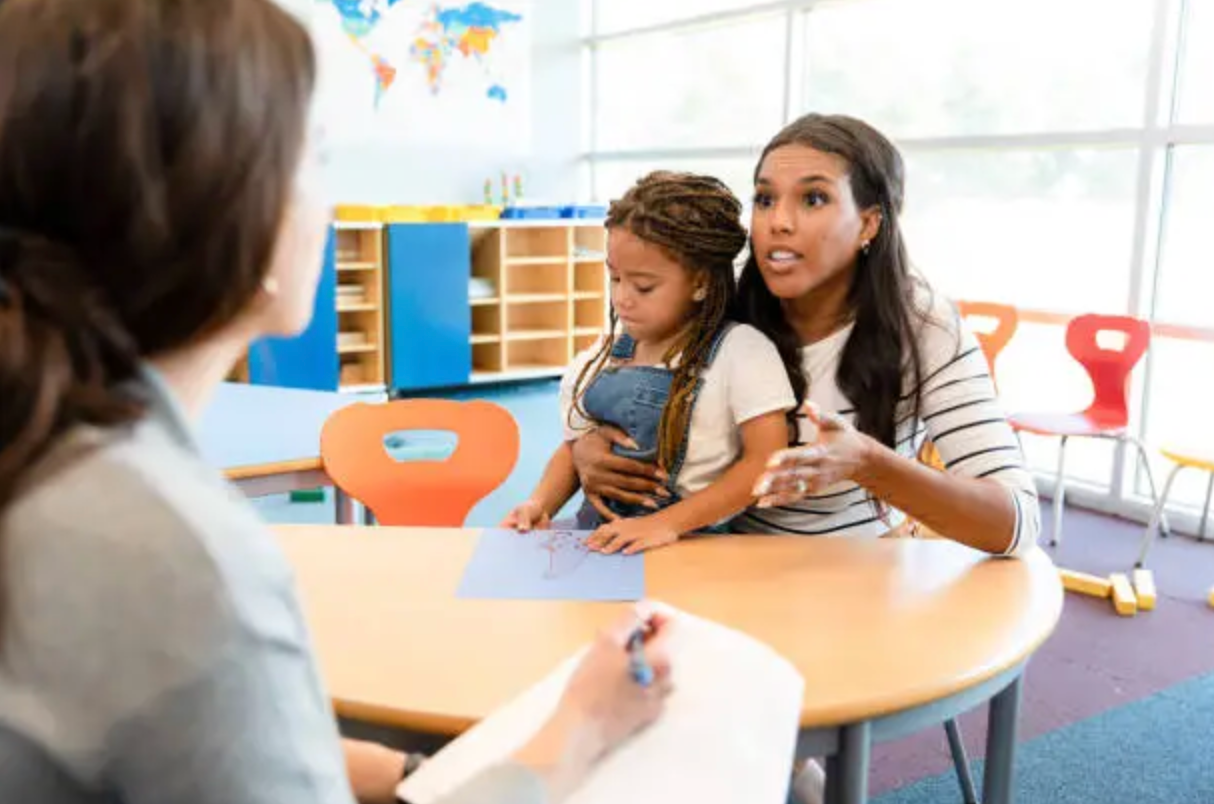
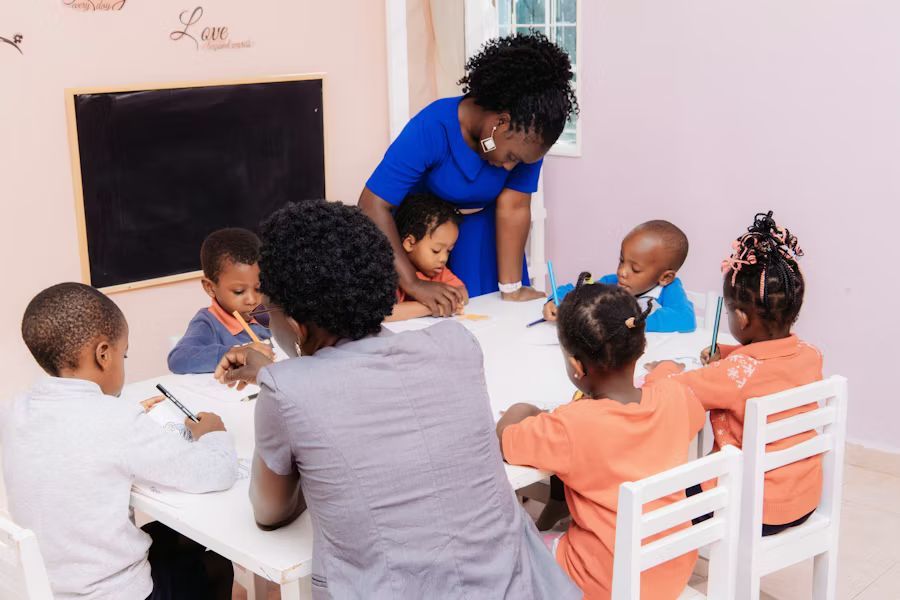
A nurturing and open environment fosters strong bonds between our learners and teachers. Learners feel comfortable approaching their teachers with questions, concerns and ideas. This creates a supportive atmosphere that enhances the educational experience. We also encourage a growth mindset, encouraging students to view mistakes not as failures, but as valuable learning opportunities. This positive approach to setbacks empowers children to persevere, adapt and achieve remarkable progress in their academic and personal development.


Setting our learners up for success


The impact of our school’s approach is evident in the achievements of our learners and our alumni. Our graduates perform well year after year in the national examinations. They secure placements in universities in Kenya as well as overseas. Many go on to become leaders in their fields. They start their own successful businesses and leave an impact on the world.


Standing out in the educational landscape


As our school continues to grow and evolve, we remain committed to our core mission of providing accessible, quality education to Kenya’s youth. We’re proud to stand out as a shining example of what can be achieved when innovation, compassion and commitment merge. By reimagining what educations can and should be, we’re not just setting the benchmark of education, we’re preparing our learners for the challenges of life. By giving them a holistic education, we’re helping to build a brighter future for our country and the rest of the world.


If you wish to get a real feel for our school, meet the teachers and get a better understanding of our approach to education, please feel free to book a visit. We would love to have you join us on one of our campuses.

February 10, 2026
Executive function skills are the mental processes that help children plan, focus, remember instructions and manage their behaviour. These skills act as the brain’s “control system,” guiding how children think, learn and interact with others. In primary school, strong executive function supports academic success as well as emotional maturity, independence and positive social behaviour. For parents and educators alike, understanding how these skills develop is critical to supporting child brain development in meaningful, practical ways. What Are Executive Function Skills? Executive function skills are commonly grouped into three core areas: 1. Working memory: This is the ability to hold and use information. For example, remembering multi-step instructions. 2. Cognitive flexibility. This is the ability to adapt, shift thinking and try new approaches. 3. Inhibitory control: This is the ability to pause, resist impulses and regulate behaviour. When a child remembers their homework, switches from maths to reading and waits their turn to speak, they are using executive functioning in kids in everyday situations. These skills develop gradually and are shaped by experience, guidance and environment. This is especially true during early and primary years. Read more on why early development is important. Why Executive Function Skills Matter in Primary School In school settings, executive skills directly affect learning as well as behaviour. · Working memory in children helps them to follow lessons · Self-regulation skills for students assists in managing emotions · Improving attention in school children is essential during tasks · Impulse control in classrooms helps to reduce disruptions Learners with strong executive functioning are better able to complete tasks, organise their work, manage frustration and collaborate with their peers. These skills also support independence and help children take responsibility for routines, deadlines and their personal behaviour. Key Challenges Children Might Face Some common signs of underdeveloped executive skills include: · Forgetting instructions or losing items · Struggling to switch between different tasks · Acting impulsively or interrupting the class · Difficulty managing emotions · Poor time awareness These challenges don’t mean that a child is lazy or incapable. They often reflect developing brain systems that simply need a little guidance and practice. How Parents Can Support Executive Function at Home Parents play a powerful role in shaping executive function. Simple daily strategies can be incorporated into their day to strengthen these skills naturally. Some helpful approaches include: 1. Create Structured Routines Consistent daily routines help children predict what comes next, strengthening organisation as well as emotional regulation. 2. Use Visual Schedules Charts or picture schedules support working memory in children by making expectations visible. 3. Play Memory and Focus Games Try matching card games, Simon Says, puzzles and sequencing games. These support attention, recall and flexible thinking. 4. Encourage Problem-Solving Let children help with cooking steps, packing school bags and planning simple outings. This builds independence and cognitive flexibility in primary education. When there is strong parental engagement, there is a direct impact on executive growth. Discover more on the impact of parental involvement . Classroom Strategies for Teachers Teachers are ideally positioned to reinforce executive skills on a daily basis. Some effective classroom strategies include: 1. Task chunking - Break assignments into smaller steps to reduce cognitive overload. 2. Use of timers and checklists – These are known to improve time awareness and self-regulation skills for students. 3. Positive Reinforcement - Praise effort, strategy and reflection, not just the outcomes. 4. Mindfulness and calm-down techniques - Simple breathing, quiet corners or reflection time can help strengthen emotional control and attention. These strategies are especially valuable in supporting impulse control in classrooms and improving overall learning flow. When to Seek Extra Help If challenges persist despite consistent support, children may benefit from professional assessment. Some signs for parents and educators to watch for include: · Chronic forgetfulness · Extreme impulsivity · Emotional dysregulation · Difficulty following basic routines Educational psychologists or SEN specialists can help identify neurodivergent patterns (such as ADHD) and guide tailored interventions. Early support ensures children build confidence rather than frustration. Encouraging Growth Through Play and Daily Practice Play is one of the most powerful tools for executive development. Activities that build executive function include: · Storytelling and role-play · Group games - Consider turn-taking or rule-based games · Pretend shops or restaurants · Reflection discussions about feelings or decisions These experiences strengthen executive functioning in kids in a natural and pressure-free way. Schools that prioritise early holistic learning , such as in strong preschool systems, give children a strong base for future academic success. Conclusion: Building Brains for Life Executive function skills are not fixed traits. They are trainable abilities that grow through consistent support, practice and patience. From working memory to impulse control, these skills shape how children learn, behave and relate to others. At Makini School we aim to create a supportive environment where our educators can nurture strong thinkers, confident learners and emotionally resilient students, building not just academic success, but lifelong capability. FAQs 1. What are the three main executive function skills in children? Working memory, cognitive flexibility and inhibitory control. 2. How can I tell if my child has weak executive functioning? Frequent forgetfulness, impulsivity, emotional difficulty and poor organisation are common signs. 3. What are fun activities to boost executive function in young children? Memory games, storytelling, puzzles, role-play and routine-based tasks. 4. How do executive function skills affect learning in school? They support focus, task completion, emotional control and classroom behaviour. 5. Can executive function skills be improved over time? Yes. With regular practice and supportive environments, executive skills develop steadily throughout childhood.
Stack of books topped with apple. ABC blocks and colored pencils on a wooden desk.
February 10, 2026
Learn practical tips and strategies to help your child adjust from the 8-4-4 system to the new Competency-Based Curriculum (CBE) in Kenya. Discover how to ease the transition with confidence.
Person using a laptop at a wooden desk, surrounded by tools, a notebook, and sketches.
November 19, 2025
Discover why early financial education is essential for children in Kenya. Learn how teaching kids money skills shapes their future success.
Group of people around a table, assembling electronics. They appear happy and engaged. Indoors, bright lighting.
November 19, 2025
Learn how parents and teachers in Kenya can prepare for effective and collaborative parent-teacher conferences. Strengthen school-home communication.
Children smiling and waving outdoors.
October 30, 2025
The Link Between Physical Health and Learning
Schoolchildren gather around a green table, looking at papers. Some wear blue uniforms, others white. One boy holds his head.
October 30, 2025
Learn effective strategies to help students develop essential communication skills for academic success, confidence, and future career readiness.
October 28, 2025
Discover how the CBE helps students explore and prepare for career pathways that match their skills, passions, and future goals.
Pile of spiral-bound notebooks, stacked. Each has colored dividers (green, blue, orange, purple).
October 28, 2025
Discover practical homework and study strategies that help students retain knowledge and achieve academic success.
September 5, 2025
Discover how reading aloud improves comprehension, builds confidence, and fosters a lifelong love of learning in students.
September 5, 2025
Learn why critical thinking matters and how schools can equip students with problem-solving and decision-making skills for future success.
Show More