Why teach your child to be a team player?

By Makini Schools Headteachers – Catherine Njuguna and Jean Wachira
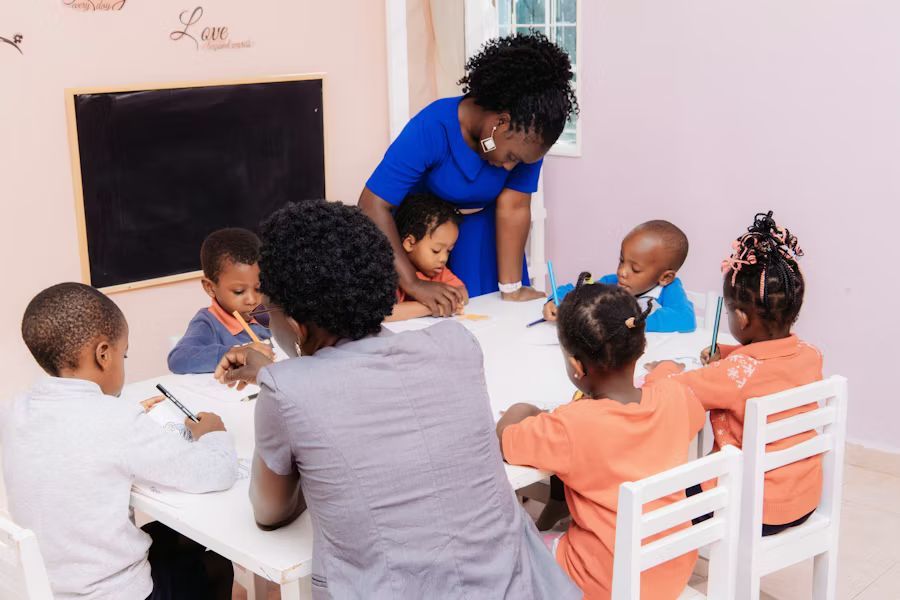
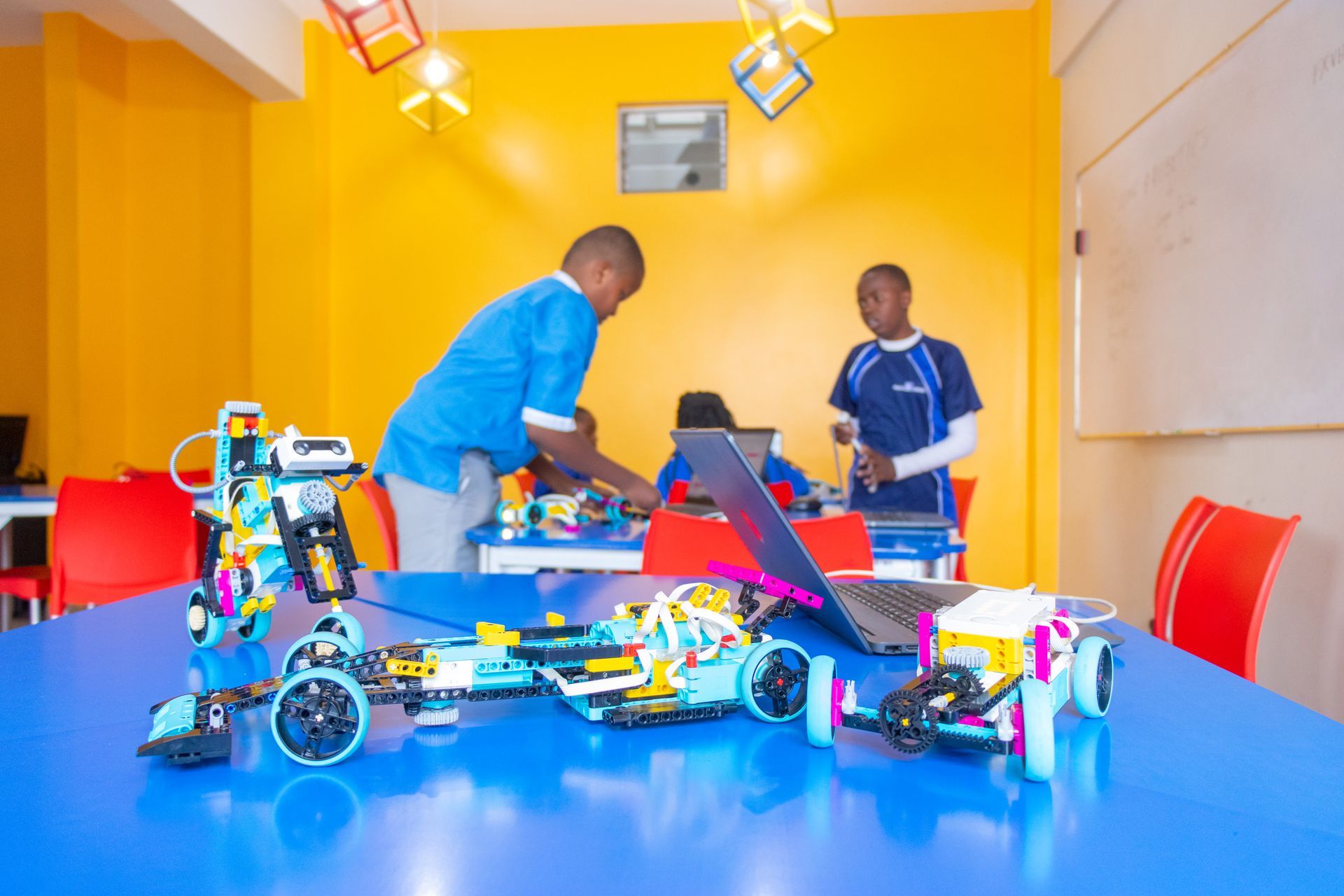
Teamwork is so essential to what we do in our classrooms each and every day.
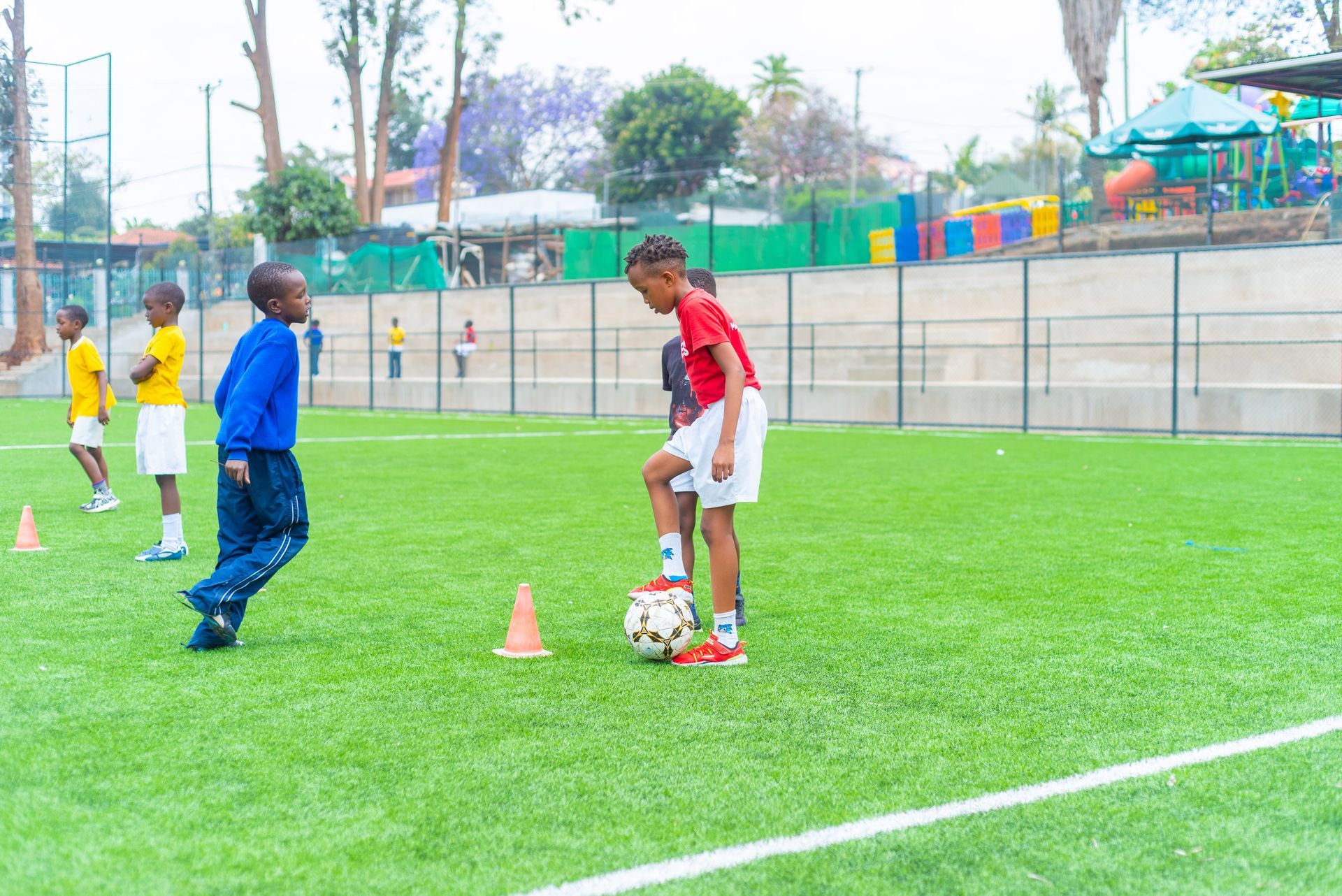
There are plenty of reasons to teach your child how to be more of a “Go team!” The best teams are made up of people who work together and are willing to make sacrifices. A team with kind players who support each other will generally perform better than a group of individuals who work in silos.
Learning to work in a team is undoubtedly one of the most important skills that one can learn. It has been identified as a crucial competency of 21st century learning. As a result, many schools and curricula have placed a renewed emphasis on group-work and collaboration to equip students with this vital skill.
The ability to work as a team is not just a skill that children need at school – it’s an essential skill they will use for the rest of their life. Just as children are taught other life skills, they need to be taught how to work as a team to achieve their goals and ambitions.
The elements of being a team player are varied. The trust factor is undeniably at the heart of all things related to teamwork. Having the faith to delegate tasks and allowing individuals the freedom to make decisions requires a great degree of trust. It boils down to putting your fate and that of the teams in the hands of others.
When children learn to be part of a team, they benefit in several ways:
- They learn more about interpersonal ways of thinking and improve their ability to communicate with others.
- Teamwork helps children feel like part of a community, which is important to their well being.
- Communication, social, and emotional skills are all strengthened when children learn to work as a team, which improves their self-esteem, ability to be empathetic and their confidence.
- Children experience the success in their projects by working in a team and this reinforces commitment to the team-goal and the ability to compromise.
It is undeniable that being part of a team leaves one vulnerable as it takes the individual out of their comfort zone: having to cope with the team’s expectations, being responsible for motivating your teammates and coping with your own doubts. These demands are often magnified by the fact that most team activities often take place in public arenas- contact or virtual – thereby increasing the fear of failure. However, over time, as with other skills, children become better at it. This is made possible through the opportunities given to the learners to engage in teamwork, more so, in the new Competency Based Curriculum implemented in Kenya.
Ultimately, celebrating an achievement brought about by united effort remains one of the greatest rewards of teamwork and allows the children a bonding experience that leads them to develop lifelong friendships.
As Headteachers, it remains our firm belief that teamwork remains one of humanity’s greatest assets. Its unlimited potential will undoubtedly be vital in overcoming the political, economic and social challenges that currently beset our world, for after all, our children are the leaders of tomorrow.
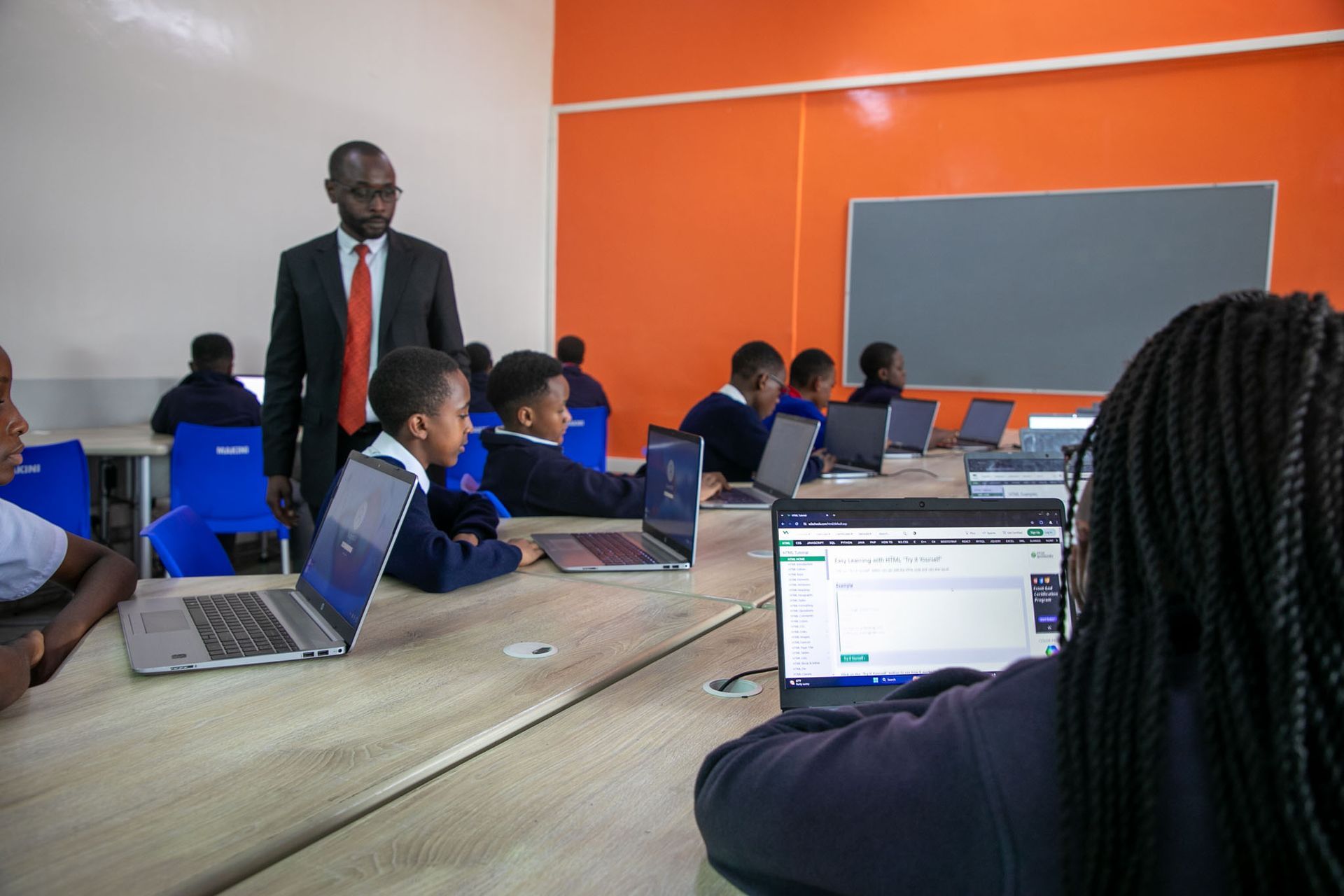
Collaboration and Teamwork in Elearning
Arguably, one of the greatest advances made in education in the past decade has been the use of collaborative learning or learning in teams. Students learn better in teams and find it a more enjoyable learning experience. The formation of a community of learners is vital for development of successful collaborative work, critical thinking skills and building up the skills for life-long learning.
Some examples, as applied in our virtual classrooms, include:
- Creation of discussion chats during lessons
Creating a classroom community where meaningful conversations can happen is not easy. It is an ongoing process that takes time. But using online discussion tools can be one great way to help your students build these skills. Plus, the ability to engage in online discussions responsibly is a great 21st-century skill in itself. - Allowing learners to agree, build and challenge other learners’ responses and ideas
Ask open-ended questions that offer the opportunity for debate. Curiosity is key and having a healthy debate is crucial to critical thinking as well as learning to consider diverse viewpoints. - Giving learners a chance to show case their work through presentation, which also builds their confidence.
- Allow learners to come up with their team structure that defines each learner’s role.
- Provide interactive learning opportunities.
- Allow to come up with learning resources for team teaching.
Teamwork makes the dream work – John Maxwell